To build on its efforts in accelerating disability innovation, GDI Hub seeks to understand the attitudes of 18–24-year-old Kenyans on disability, disability sports and assistive technology.
AT2030 funded this study.
All Resources
Showing 111 - 120 of 488
Results are ordered by date, with most recent published resources shown first.
Use the other filters to customize your search.
Results are ordered by date, with most recent published resources shown first.
Use the other filters to customize your search.
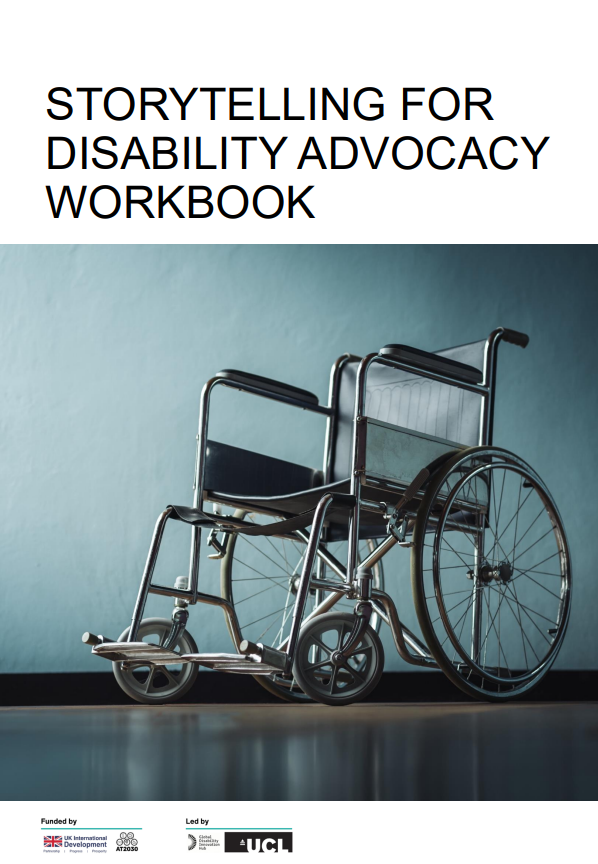
Empowers individuals and communities to articulate experiences through structured storytelling for assistive technology advocacy.
The paper provides actionable recommendations to guide inclusive policies and practices that uphold the needs, preferences and rights of older people with disabilities in development and humanitarian policy and practice.
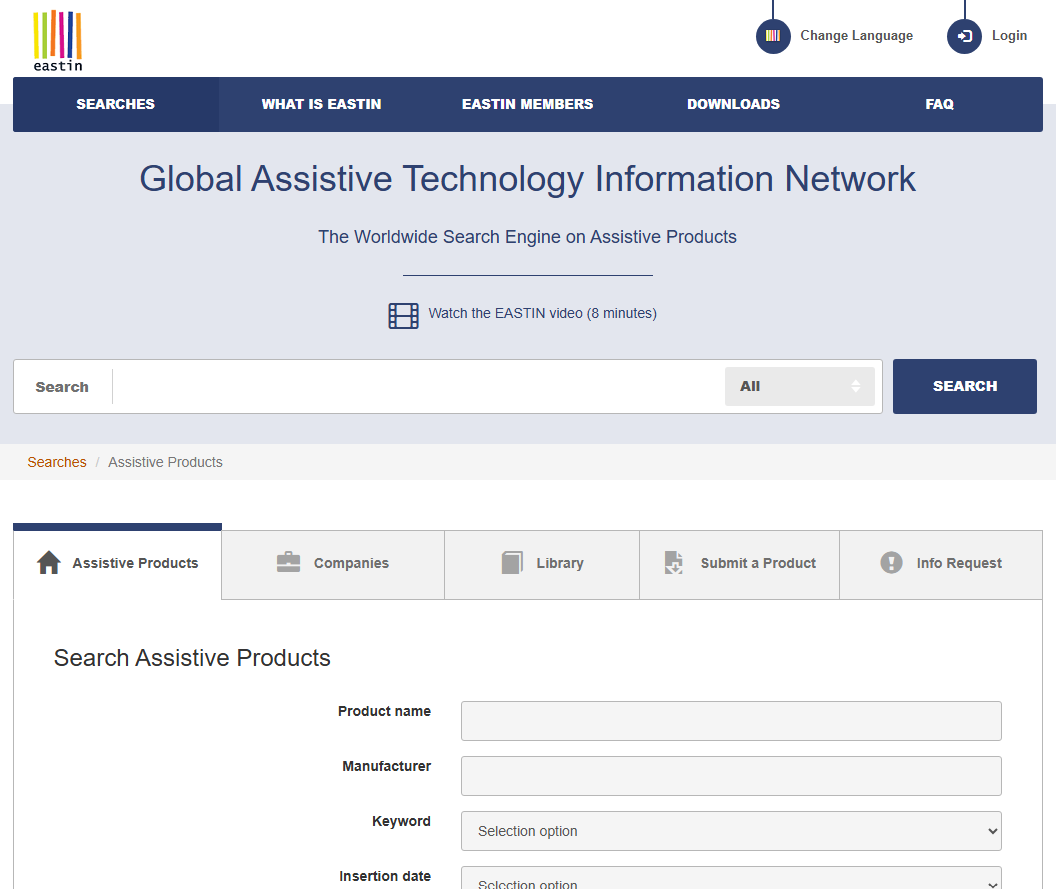
EASTIN is a network of national organizations, specialized in disseminating information in the field of assistive technology. EASTIN owns the EASTIN search engine, which offers free online access to information on thousands of assistive products from databases hosted by EASTIN members. The information includes product descriptions, pictures, technical product…
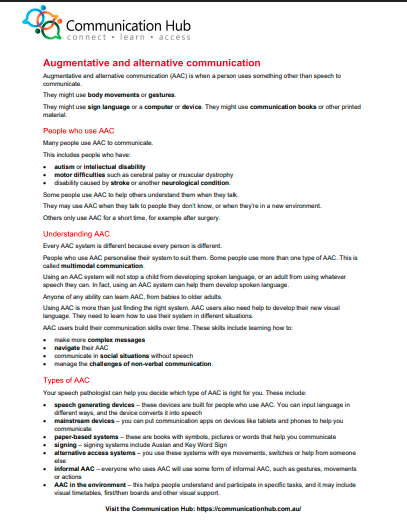
Factsheet on augmentive and alternative communication (AAC)
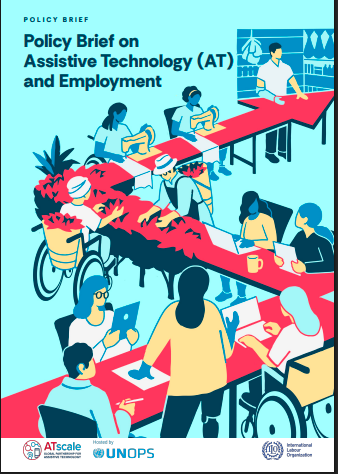
This policy brief highlights the crucial role of Assistive Technology (AT) in expanding employment opportunities for persons with disabilities and other AT users in low- and middle-income countries (LMICs). It delves into the barriers faced by both AT users in accessing and effectively utilizing AT for employment purposes, and employers in providing or integrating AT…
A guide for education settings developing or updating policy on augmentative and alternative communication. It updates Ace Centre’s earlier school policy guidance for the education context in England and draws on professional and partner-school contributions. The resource supports planning for the inclusion of learners who use AAC.
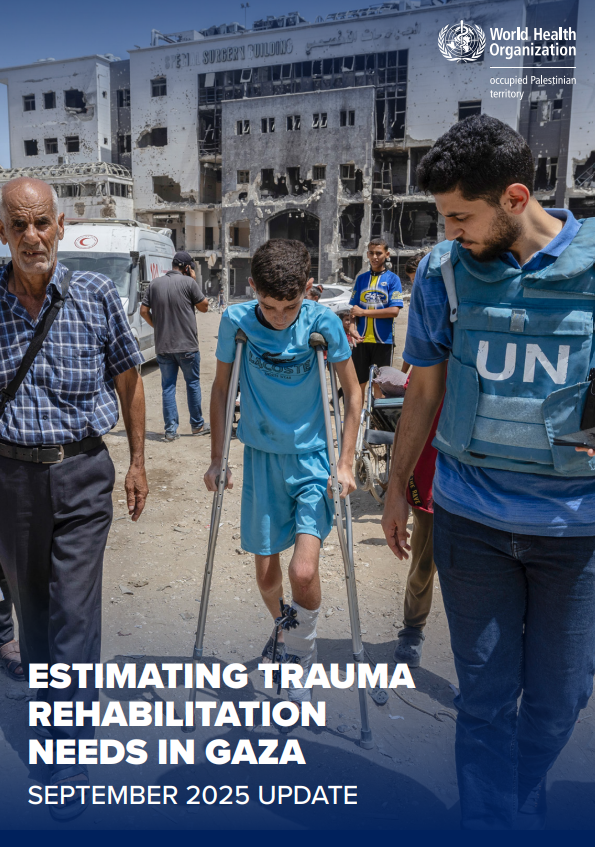
This technical note is an update to the 2024 Gaza injury estimate published by the World Health Organization one year ago. It was developed using the same methodology while drawing on additional data sources to triangulate findings. The report has been expanded to describe the status of rehabilitation services in Gaza, and the challenges in meeting the needs of…
The Health equity for persons with disabilities: guide for action (Guide for Action) is a foundational tool to support Member States to implement the recommendations of the Global Report, in line with the Convention on the Rights of Persons with Disabilities. The Guide for Action also supports WHO’s General Programme of Work 14 by reducing health inequities through…
Building digital skills and literacy for persons with disabilities is critical for persons with disabilities to learn, consume digital services, and access jobs. A study was undertaken to leverage these opportunities by identifying gaps in the digital inclusion for persons with disabilities to be addressed through policy and programmatic interventions. Using findings…