This report documents a consultative review of the rapid Assistive Technology Assessment (rATA) survey and implementation. The review was carried out to inform the further development and use of the rATA survey, considering the methods used for data collection, country support, data analysis, and dissemination. The report provides lessons learned, recommendations,…
All Resources
Showing 161 - 170 of 488
Results are ordered by date, with most recent published resources shown first.
Use the other filters to customize your search.
Results are ordered by date, with most recent published resources shown first.
Use the other filters to customize your search.

The primary objective of this document is to outline the ethical principles, values, and beliefs of the World Federation of Occupational Therapists. However, the document may also serve as a useful guide for member associations in developing their own Code of Ethics within their local context.
By reducing data gaps and promoting knowledge sharing, we aim to support evidence-based policy-level decision-making.
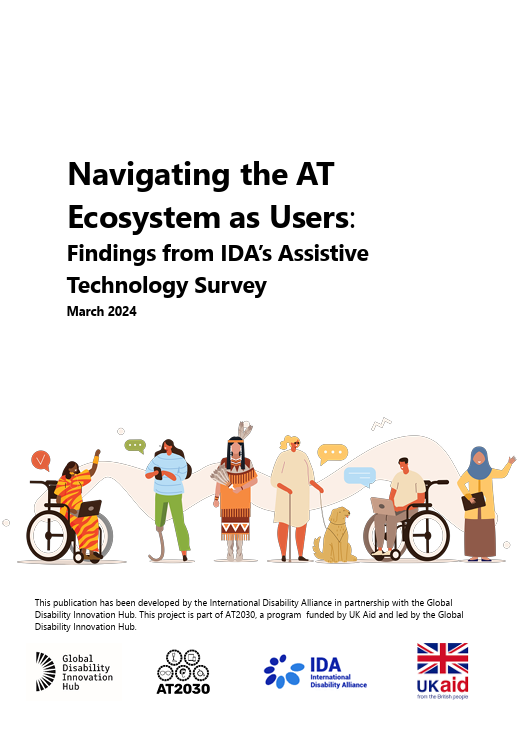
Global survey findings on AT usage, barriers, and recommendations for improving AT systems.
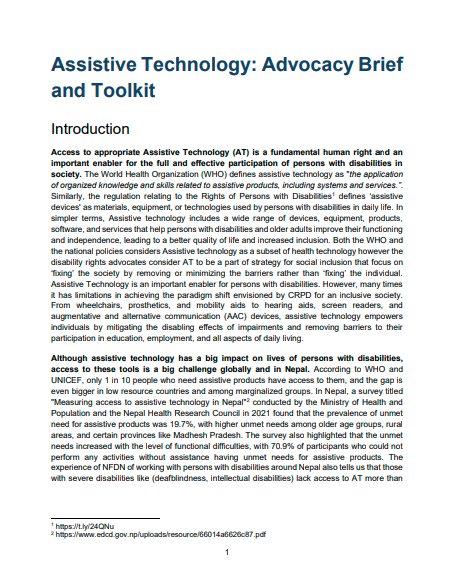
Provides comprehensive guidance for advocacy to improve access to assistive technology. Includes strategies for awareness, policy influence, and inclusive practices.
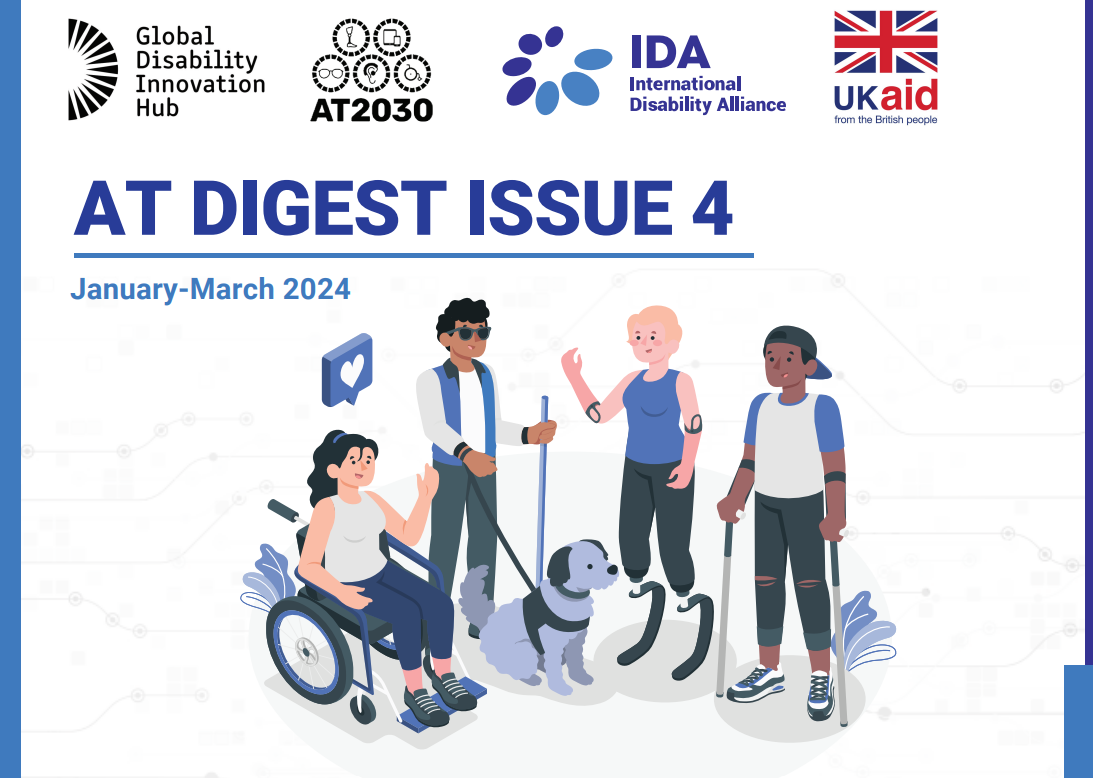
Digest exploring AT's role in inclusion and public participation based on multi-country user interviews.
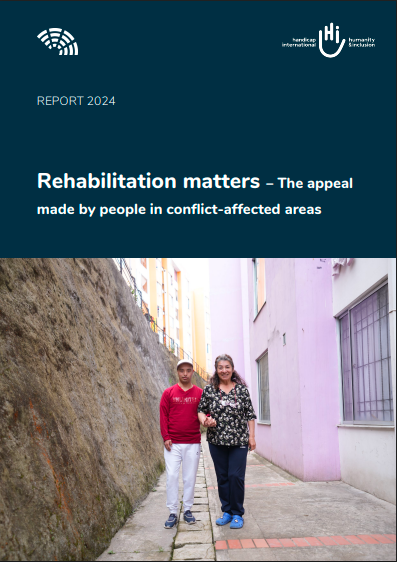
Seven people share their lived experiences about accessing rehabilitation and assistive technology in conflict-affected areas in Colombia, Iraq and Laos.
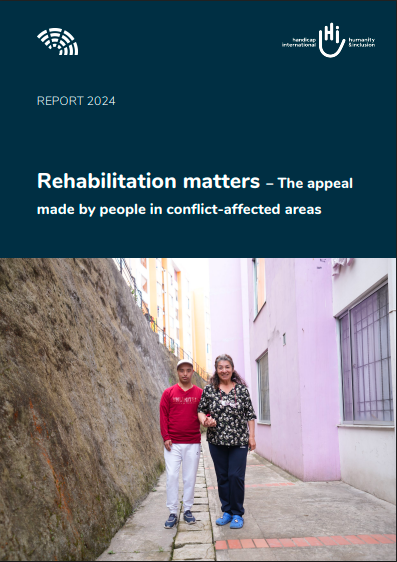
Seven people shared their lived experiences about accessing rehabilitation and assistive technology in conflict-affected areas in Colombia, Iraq and Lao PDR.
They are women and men, of different ages, and with different profiles: victims of explosive weapons or ordnance, internally displaced people, persons with disabilities, and caregivers. Their stories…
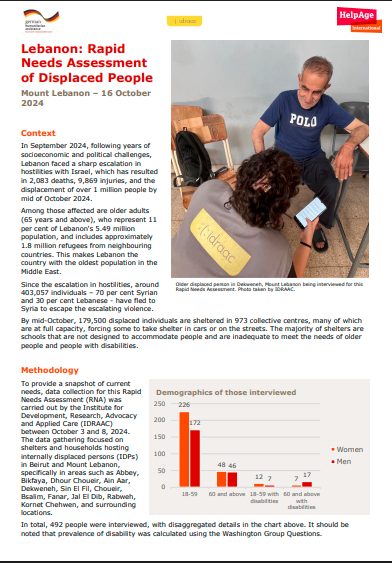
A Rapid Needs Assessment carried out by the Institute for Development, Research, Advocacy and Applied Care (IDRAAC), a member of the HelpAge global network in Lebanon.
The assessment highlights the critical situation facing displaced people in the district of Mount Lebanon amidst escalating violence, with further analysis on the situation of older people, including…
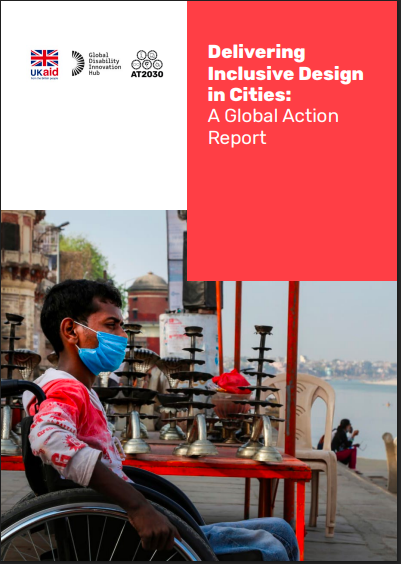
This report provides practical steps for cities worldwide to enhance accessibility and inclusion in their physical infrastructure, buildings, services, and operations, based on research from six diverse cities.