A report highlighting challenges and solutions in providing assistive technology to children with disabilities.
All Resources
Showing 261 - 270 of 488
Results are ordered by date, with most recent published resources shown first.
Use the other filters to customize your search.
Results are ordered by date, with most recent published resources shown first.
Use the other filters to customize your search.
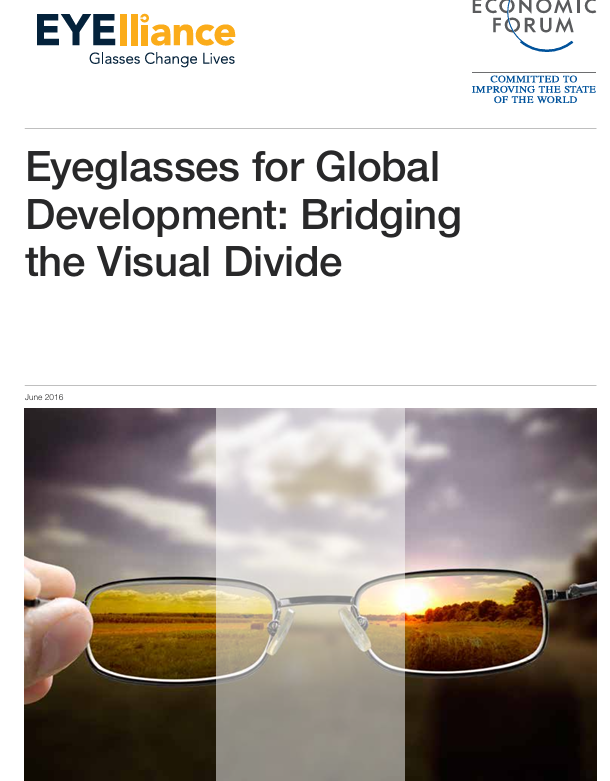
Global advocacy report promoting access to affordable eyeglasses and addressing the visual divide.
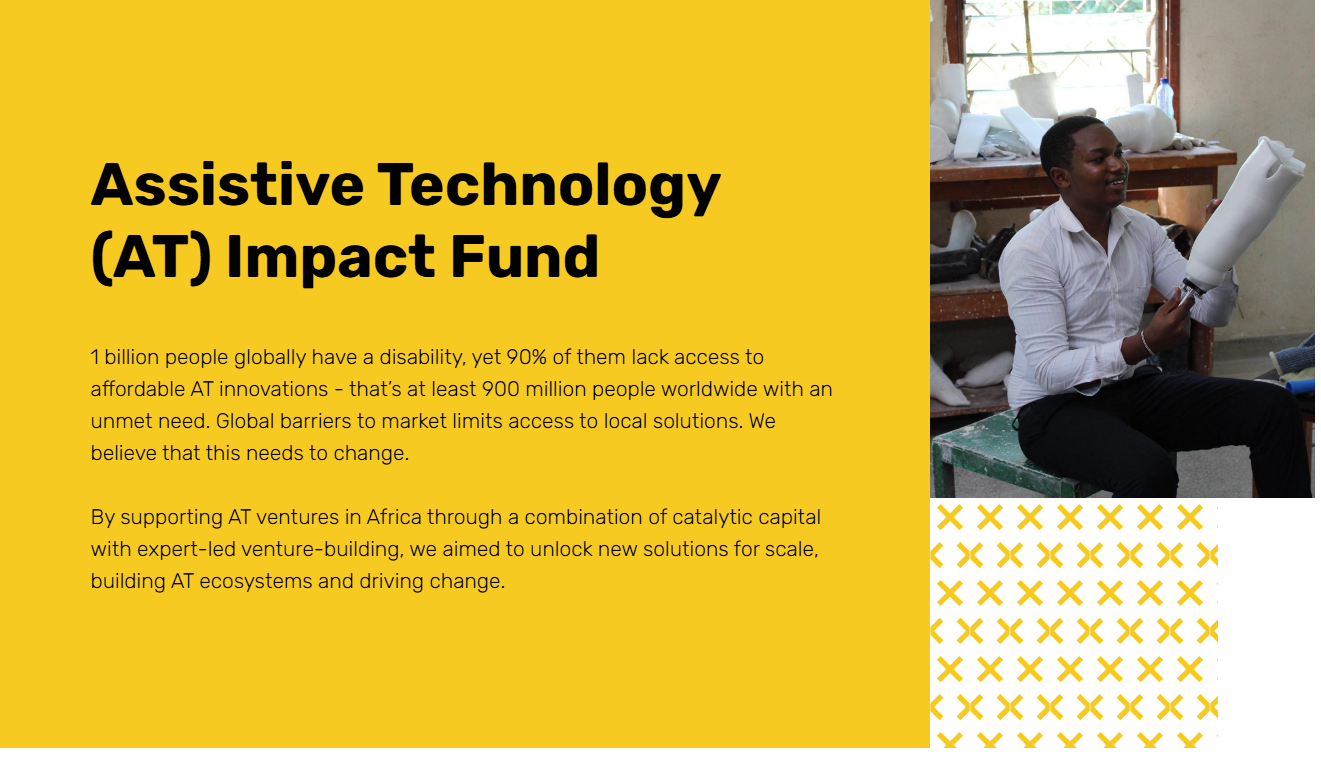
By supporting AT ventures in Africa through a combination of catalytic capital with expert-led venture-building, we aimed to unlock new solutions for scale, building AT ecosystems and driving change.
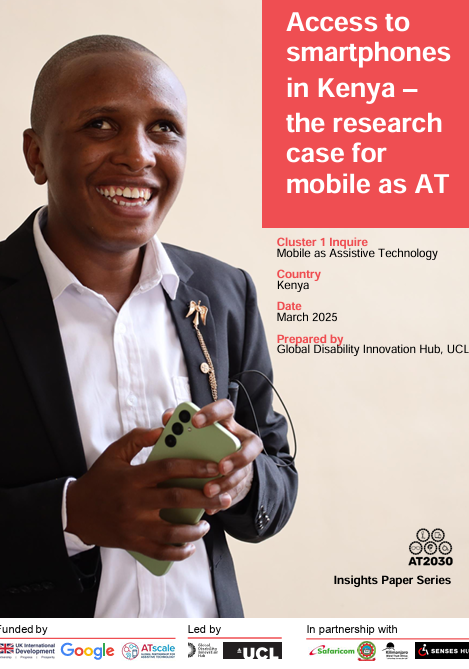
This latest AT2030 Programme Insight Paper explores the impact of a groundbreaking intervention that equipped Deaf and Hard of Hearing (DHH) and Blind and Partially Sighted (BPS) participants with smartphones and tailored digital skills training.
Toolkit providing resources and guidance to develop entrepreneurial skills in disability innovation contexts.
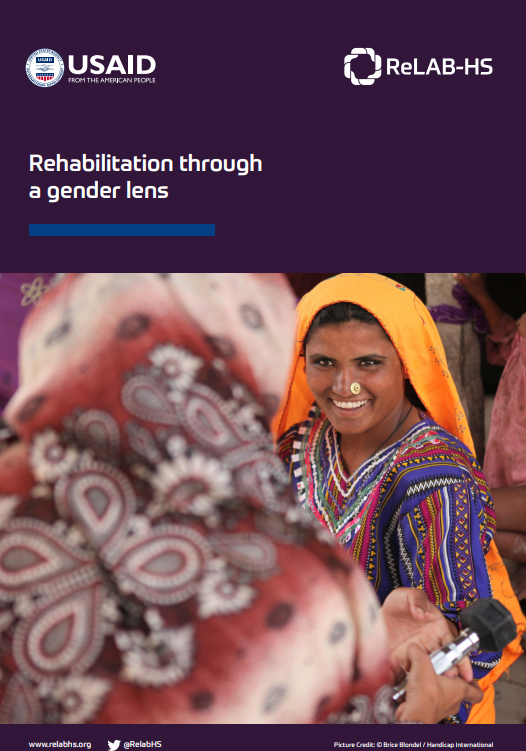
This factsheet builds on the scoping review conducted by the Gender & Social Inclusion (GESI) Working Group of ReLAB-HS on access to rehabilitation for women, girls, men, boys, and gender minorities2
, to deepen
understanding, explore solutions, and reveal gaps in
knowledge. The scoping review yielded 65 research
articles and editorials.
The Integrated People-centred Eye Care Advocacy to Action Toolkit assists the eye health sector advocates in advocating for the implementation of Integrated People-centred Eye Care. The toolkit is a central reference point for initiating policy dialogues in countries and includes key information, tools, templates and resources for IPEC
This document specifies a classification and terminology of assistive products, especially produced or generally available, for persons to optimize functioning and reduce disability.
Ministry of Health Kenya. Rehabilitative Services and Assistive Technology Strategy Framework, aims to build a progressive and sustainable rehabilitative healthcare sub system that enables individuals with functional limitations and participation restrictions to attain the highest quality of life.
A comprehensive plan outlining strategies to enhance rehabilitation services across Rwanda, aiming to improve the quality of life for persons with disabilities.