This guide complements both the WHO Rehabilitation Competency Framework and the guide, Adapting the WHO Rehabilitation Competency Framework to a specific context. It describes a stepwise approach to developing a rehabilitation education and training programme and curriculum that can be used to support competency-based education. The guide describes steps across five…
All Resources
Showing 351 - 360 of 488
Results are ordered by date, with most recent published resources shown first.
Use the other filters to customize your search.
Results are ordered by date, with most recent published resources shown first.
Use the other filters to customize your search.
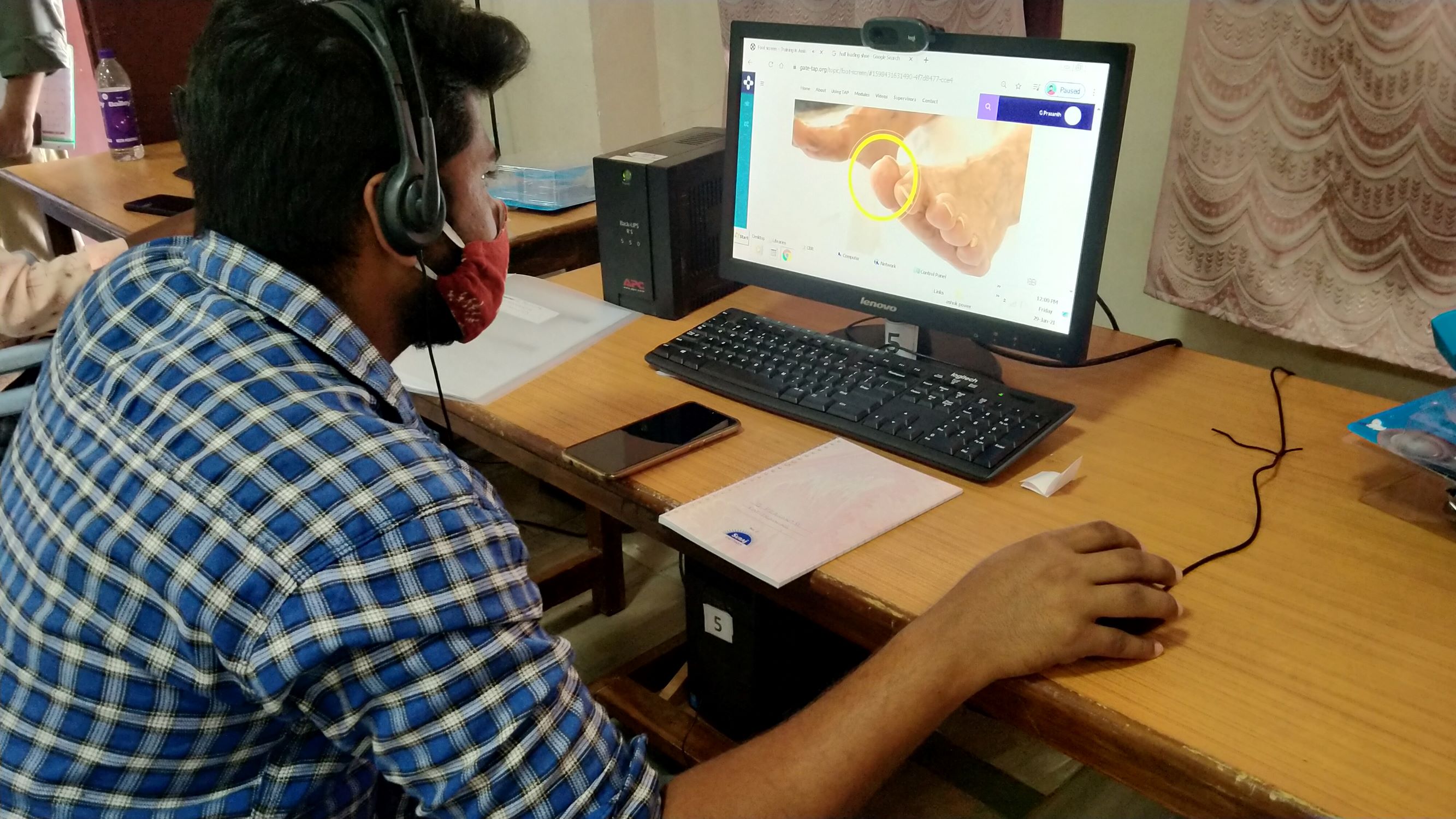
In response to COVID-19, WHO worked with in-country partners in India, Iraq and Papua New Guinea (PNG) in 2020 and 2021, to implement a project to strengthen local capacity for community-level assistive technology (AT) services, at the same time developing a model of remote-support to the in-country teams. The project addressed access and distance to services as a…
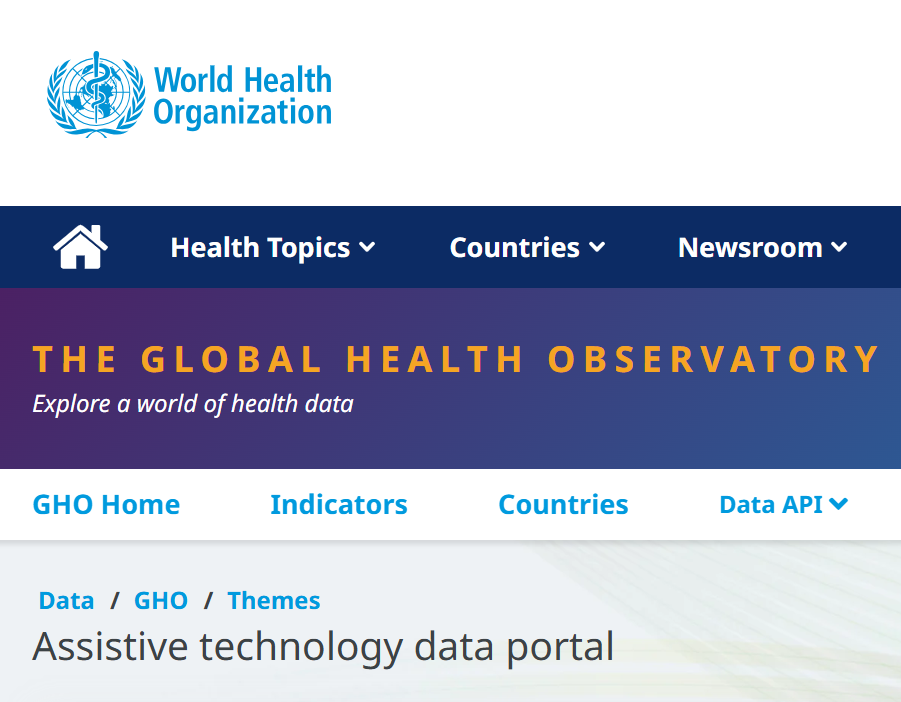
This website presents summary data for the WHO progress indicators for access to assistive technology by country
This publication aims to provide an overview of what is currently known about the prevalence and coverage of assistive technology in the WHO European Region. It is guided by the following research question: “What is the prevalence of needs, access and coverage of assistive technology and what are facilitators and barriers to access and coverage in the WHO European…
To ensure the global report on assistive technology was going to be relevant and contributes to improving access to assistive technology in the WHO European Region, the WHO Regional Office for Europe convened a regional consultation to discuss the findings of the report and, with this in mind, to explore and reflect on measures being pursued in countries to…

This publication aims to provide an overview of what is currently known about the prevalence and coverage of assistive technology in the WHO European Region. It is guided by the following research question: “What is the prevalence of needs, access and coverage of assistive technology and what are facilitators and barriers to access and coverage in the WHO European…
This groundbreaking report looks at patenting and technology trends in innovation in assistive technology. It identifies the prominent technologies, top players and markets for patent protection across seven domains mobility, cognition, communication, hearing, the built environment, self-care and vision. Using a scale of technology readiness, it reveals which of the…
This IFHOH paper is a guide for event organizers. It explains what is a hearing loss, What are the accessibility needs of Hard Of Hearing persons. What are the possible assistive listening devices and systems, How to properly select and implement one of this systems. Among the amplification systems that are mentioned are Induction Loops, Infra Red, FM, Bluetooth…
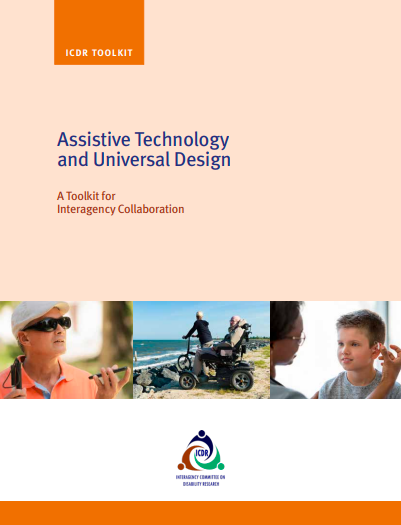
Toolkit to support interagency collaboration and universal design in AT.
The Country Capacity Assessments (CCAs) are a joint initiative of the World Health Organization (WHO), Global Disability Innovation Hub (GDI Hub) and CHAI under the AT2030 programme and funded by UK aid. The AT2030 programme is led by GDI Hub.