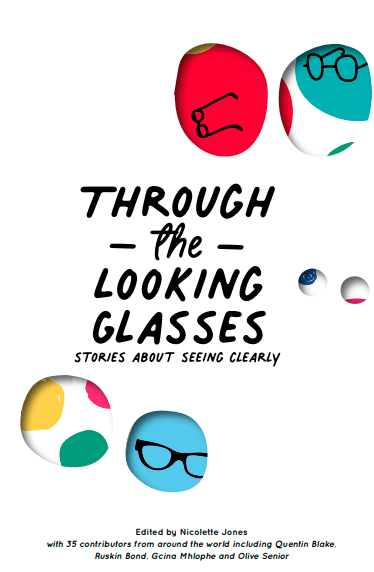
A series of stories and illustrations for children about wearing glasses.
All Resources
Showing 391 - 400 of 488
Results are ordered by date, with most recent published resources shown first.
Use the other filters to customize your search.
Results are ordered by date, with most recent published resources shown first.
Use the other filters to customize your search.
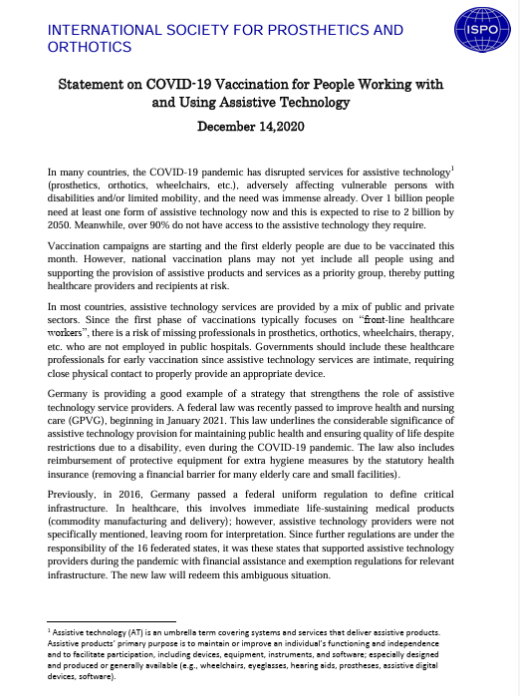
ISPO has released the statement that highlights the important role of all people involved with assistive technology services and the needs of these healthcare professionals, whether in the public or private sector, as well as the users who receive their services, to be included in early national vaccination plans.
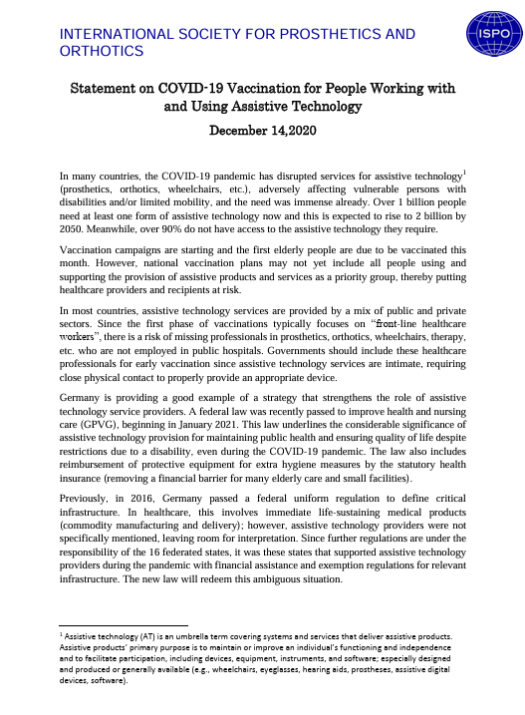
This statement advocates for the inclusion of assistive technology (AT) users and providers in early COVID-19 vaccination plans. It highlights the disruption of AT services during the pandemic and the critical role of professionals in prosthetics, orthotics, wheelchair services, and related fields, many of whom may be overlooked in national vaccination strategies.
This is a working document that provides guidance for people and organisations that provide prosthetics and orthotics services, and are able to continue serving people who require assistive devices during the COVID-19 pandemic.
National situational analysis of assistive technology access and gaps in Kenya.
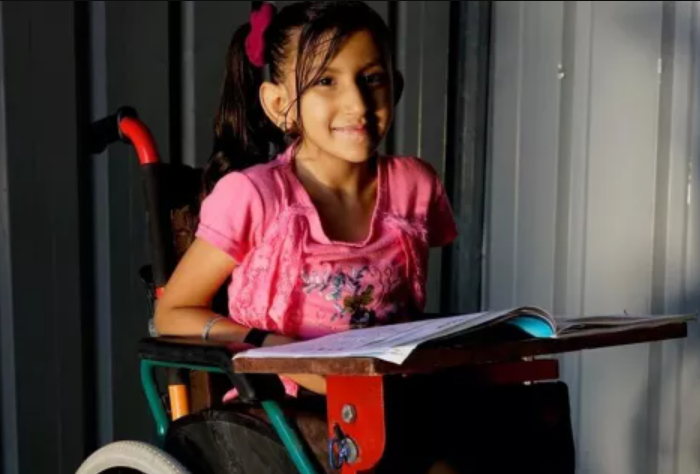
Outlines UNICEF's initiatives to ensure availability of assistive products for children with disabilities, highlighting new products in the UNICEF Supply Catalogue.
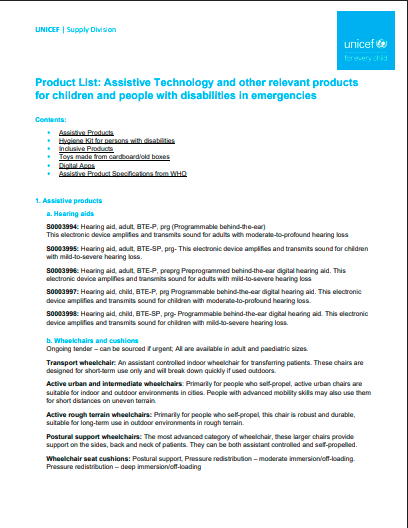
Provides a list of assistive products and other relevant products for children and peopel with disabilities in emergencies
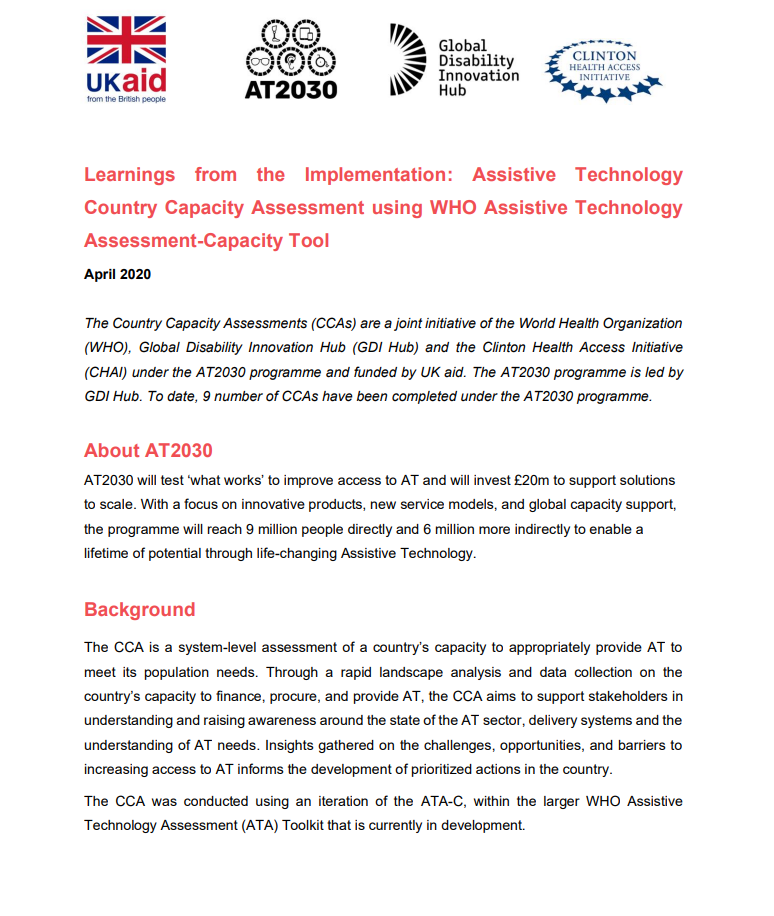
A report outlining the first learnings from the implementation of ATA-C in nine countries
A report outlining the first learnings from the implementation of ATA-C in England
A report outlining the first learnings from the implementation of ATA-C in Indonesia