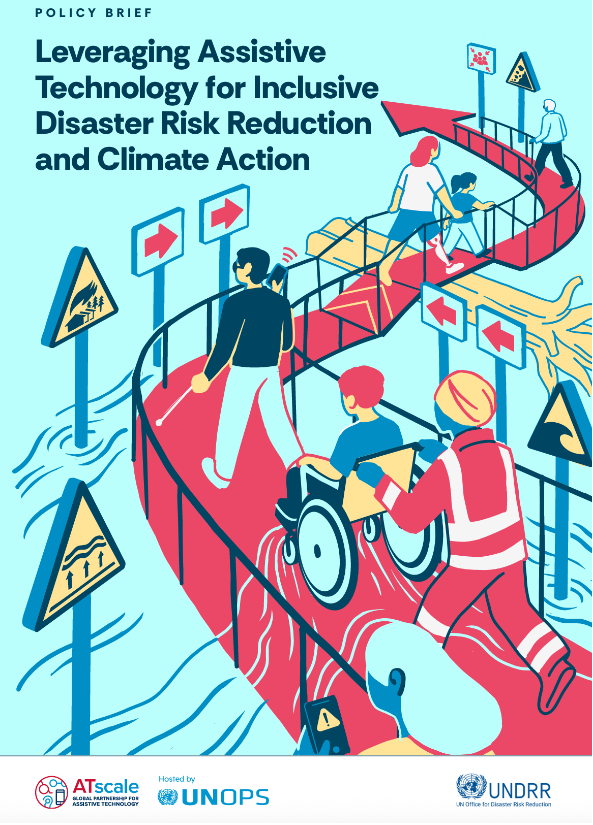
This brief examines how the rights and needs of assistive technology users can be more effectively addressed in DRR and climate action. The United Nations Office for Disaster Risk Reduction (UNDRR) and ATscale undertook a global study and developed this policy brief to examine how the rights and needs of assistive technology users can be more effectively addressed in…
All Resources
Showing 41 - 50 of 488
Results are ordered by date, with most recent published resources shown first.
Use the other filters to customize your search.
Results are ordered by date, with most recent published resources shown first.
Use the other filters to customize your search.
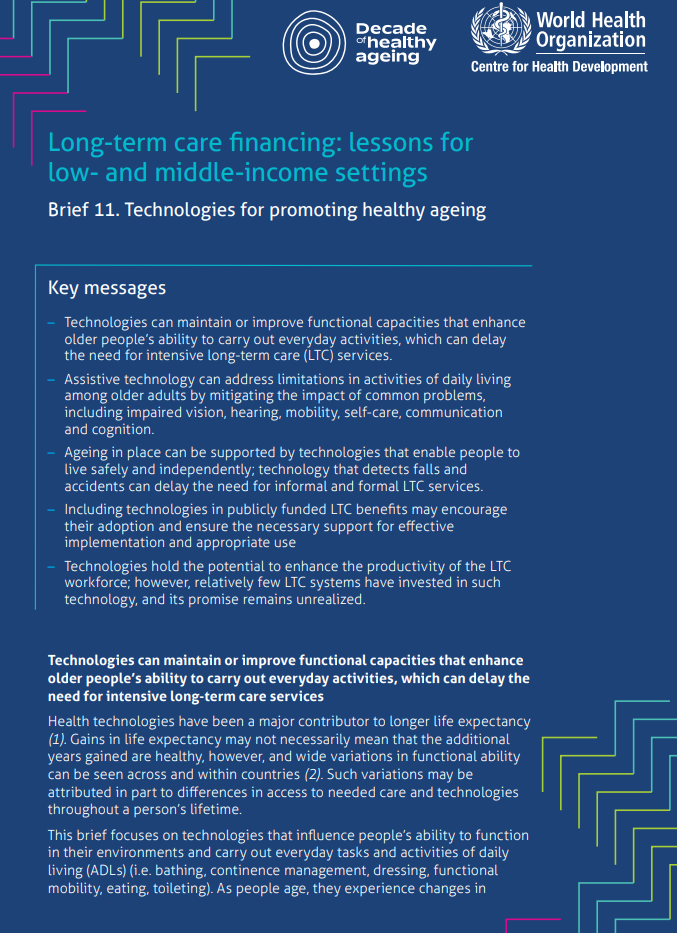
This document discusses assistive technology that can promote healthy ageing in low- and -middle income settings. It highlights the potential of assistive technology to maintain or improve functional capabilities.
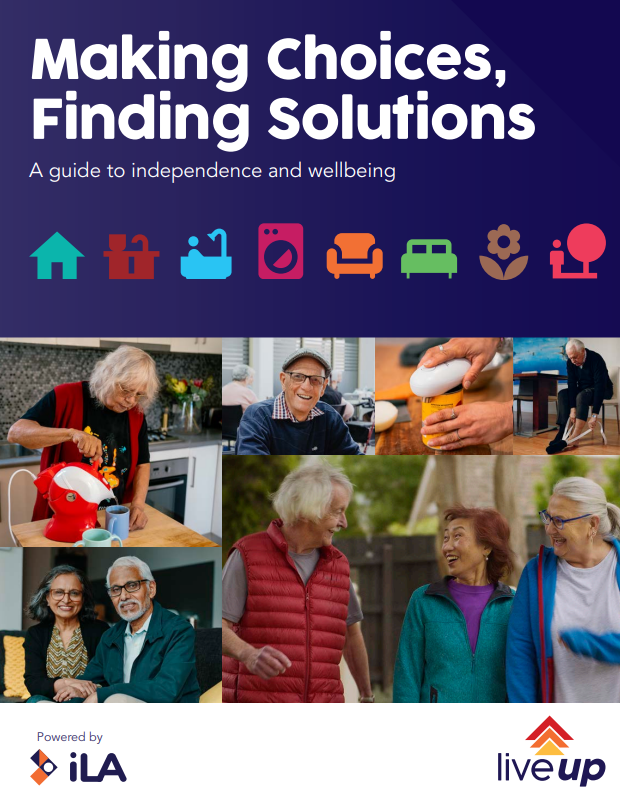
This guide is designed to help you find and choose simple assistive products for all areas of your life. Your ongoing independence, safety and wellbeing is important. Assistive products, along with basic home modifications, can help you maintain and even regain control over how you live life every day. This guide includes suggested products available from well-known…
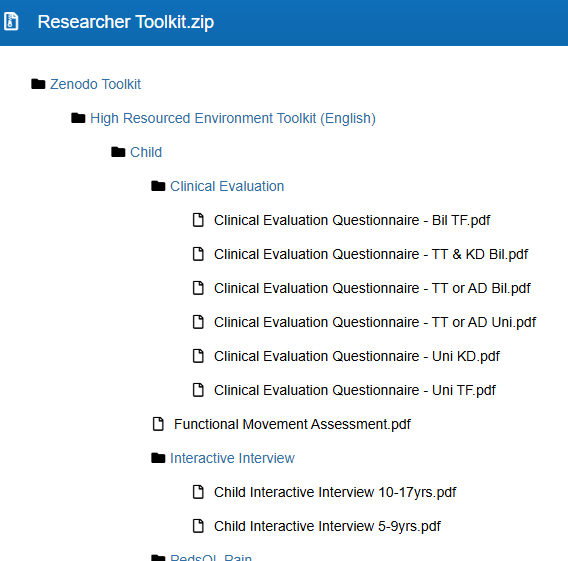
This toolkit was formed through an extensive evidence based process which is detailed in the protocol publication: https://journals.plos.org/plosone/article?id=10.1371/journal.pone.0310848
The toolkit covers four domains of childhood lower limb absence incorporating validated and novel tools to assess prosthetic design user needs, quality of life, pain, and physical…
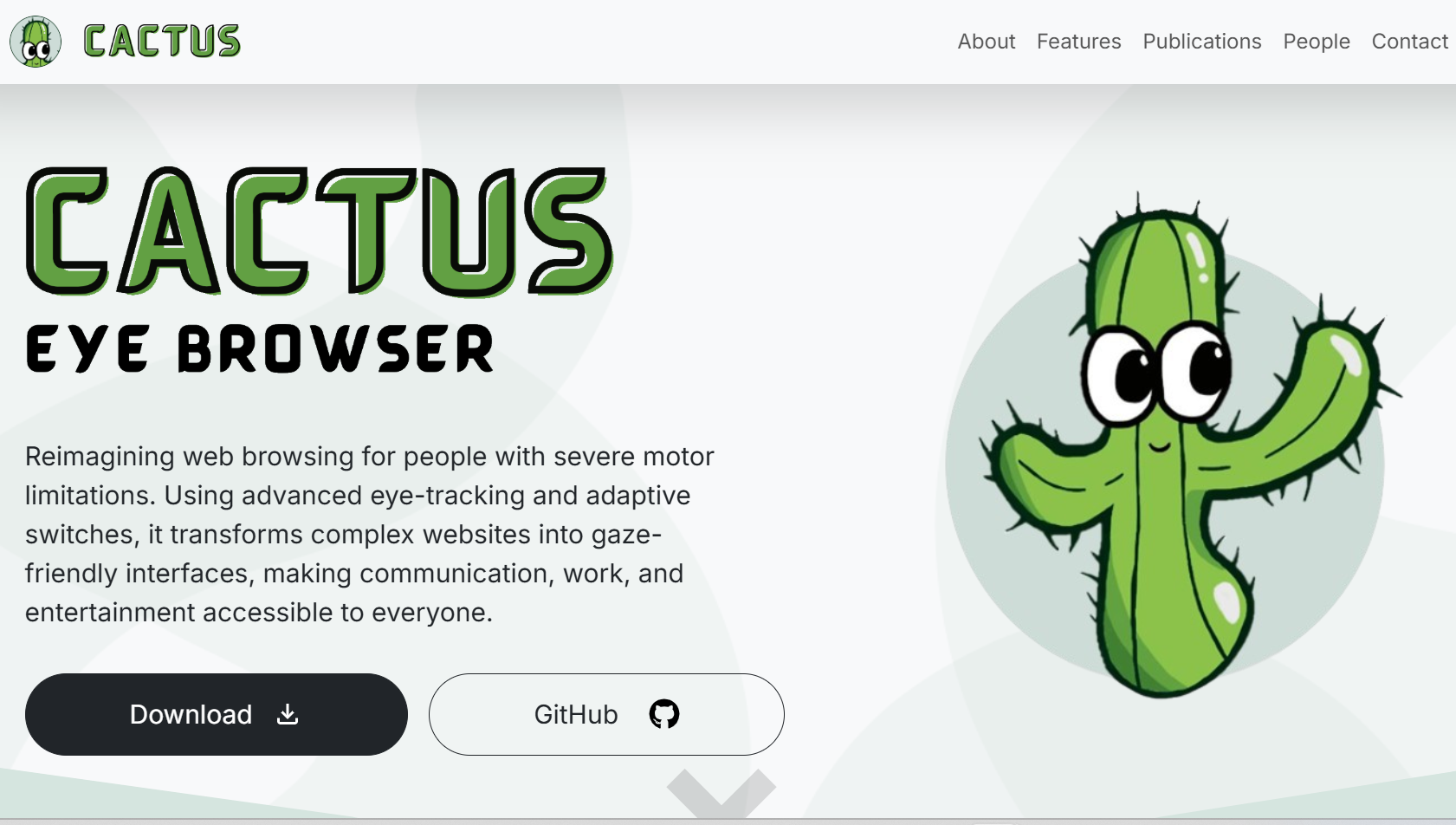
Reimagining web browsing for people with severe motor limitations. Using advanced eye-tracking and adaptive switches, it transforms complex websites into gaze-friendly interfaces, making communication, work, and entertainment accessible to everyone.
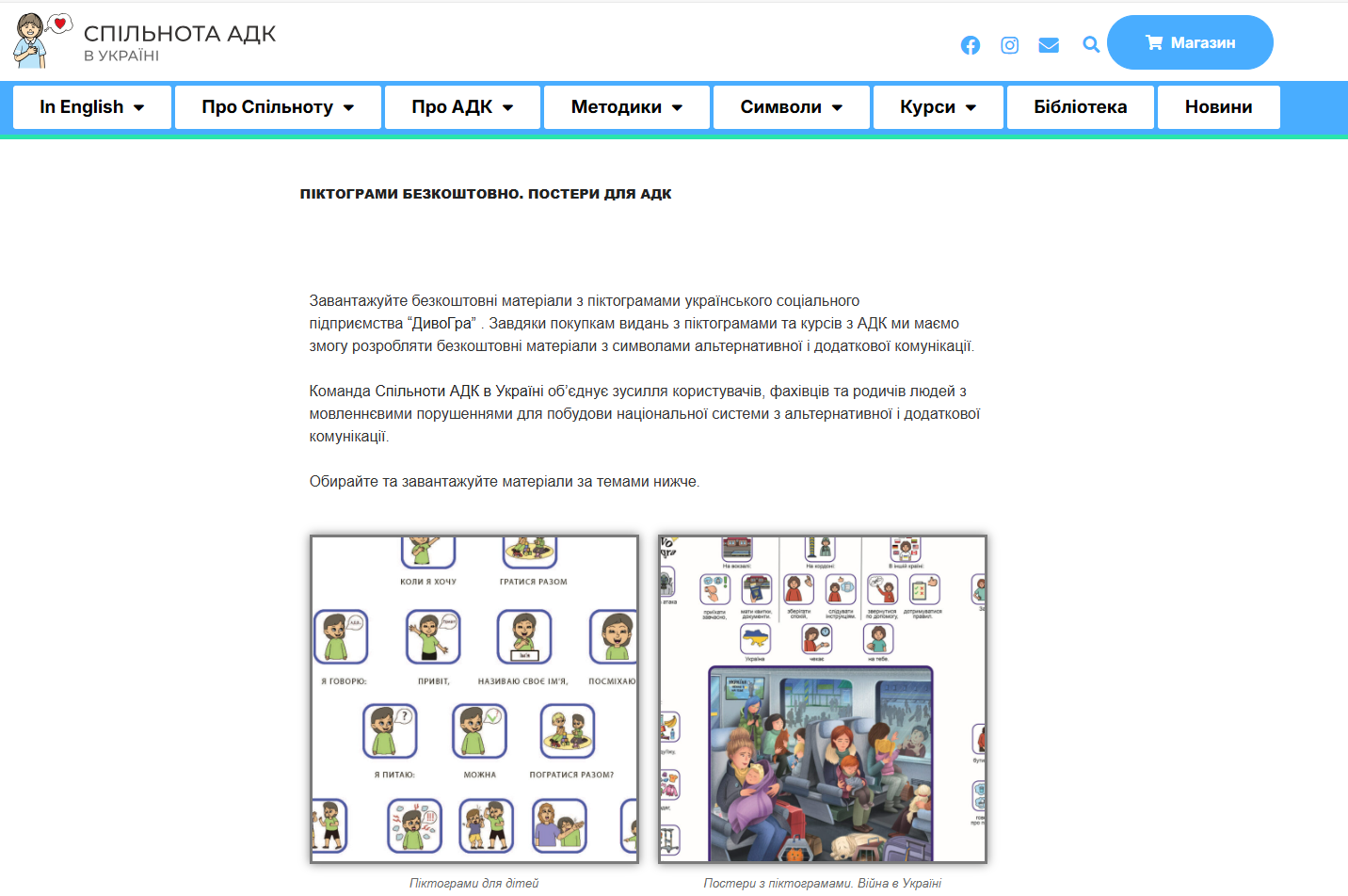
Free sets of Ukrainian symbols for alternative and augmentative communication.
(c) DyvoGra, 2025
This work is licensed under a Creative Commons Attribution 4.0 International License
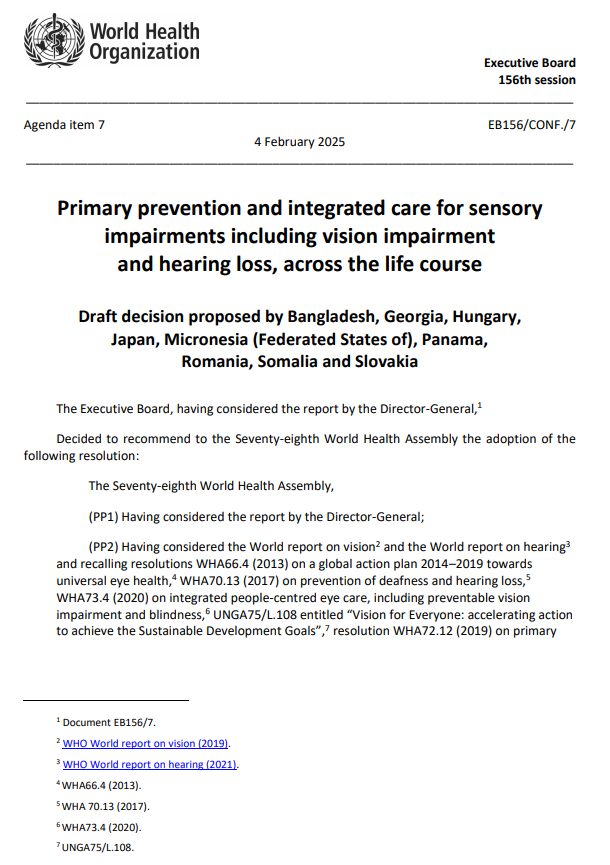
This recent resolution calls for life-course, integrated approaches to prevent and manage vision and hearing impairments. It urges Member States to embed screenings, assistive technologies, rehabilitative services, and inclusive communication (e.g. sign language, captioning) into national health plans, particularly via primary healthcare. The goal is to reduce the…
This report reviews the health financing and service delivery reforms in Ukrainian rehabilitation care in order to understand the impact of 2023–2024 financing changes, and provides policy considerations. The methodology is based on an analysis of current regulations, reports, and eHealth data from 2023–2024. The analysis focuses on physical rehabilitation within the…
Rehabilitation is an essential and often underappreciated pillar of public health. Across the WHO South-East Asia Region, an estimated 630 million people – one-third of the population – will require rehabilitation services at some point in their lives. This need will only rise in the coming years, driven by ageing populations, the growing burden of noncommunicable…
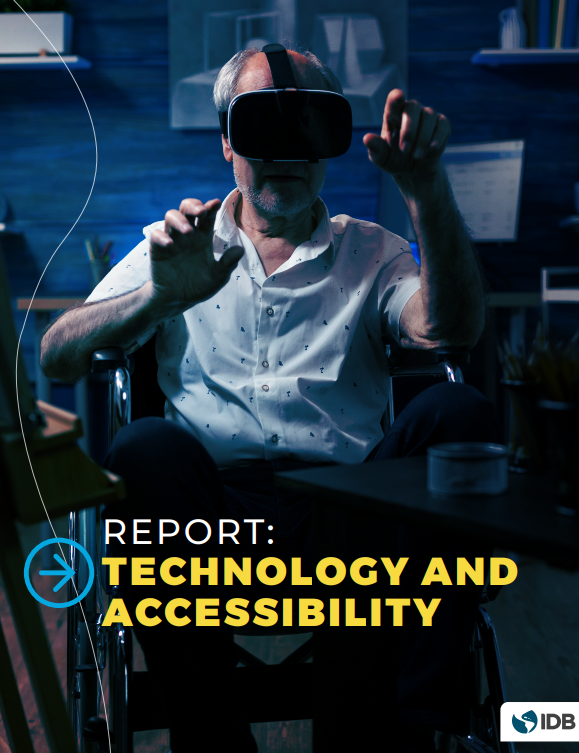
The document discusses the intersection of technology and inclusion of people with disabilities in Latin America and the Caribbean. It examines tools for improving accessibility through Information and Communication Technologies (ICT) and analyzes the definition of digital inclusion.