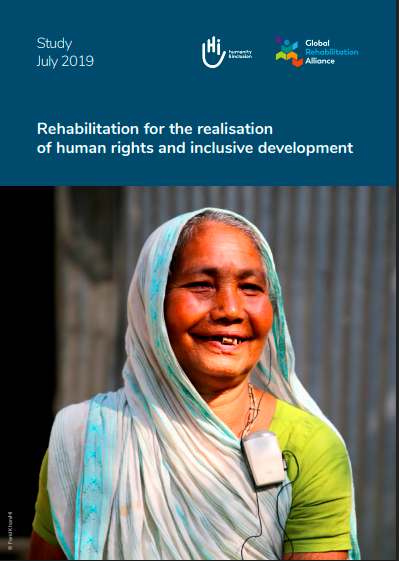
The report concludes with sets of specific recommendations for different stakeholders (states, donors and civil society, including organizations of people with disabilities), which have the potential to strengthen rehabilitation services and improve the health and wellbeing of millions around the world.
All Resources
Showing 421 - 430 of 488
Results are ordered by date, with most recent published resources shown first.
Use the other filters to customize your search.
Results are ordered by date, with most recent published resources shown first.
Use the other filters to customize your search.
Assessment of assistive technology access and systems in Africa.
A draft strategy aiming to enhance the provision and accessibility of assistive technologies for persons with disabilities in Nepal.
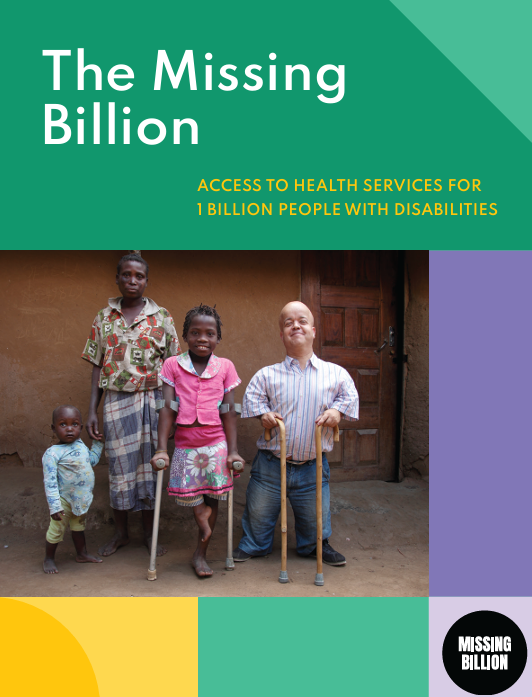
One billion people around the world live with disabilities. This report makes the case that they are being “left behind” in the global community’s work on health. This lack of access not only violates the rights of people with disabilities under international law, but UHC and SDG 3 cannot be attained without better health services for the one billion people with…

This policy brief highlights key challenges in ensuring equitable access to assistive technology. It provides concrete actions to improve access across five key areas – people-centred: policy, products, personnel, and provision (5P). The brief is targeted at policy-makers involved in designing assistive technology policies and programmes, especially those involved…
A report outlining the first learnings from the implementation of ATA-C in Mongolia
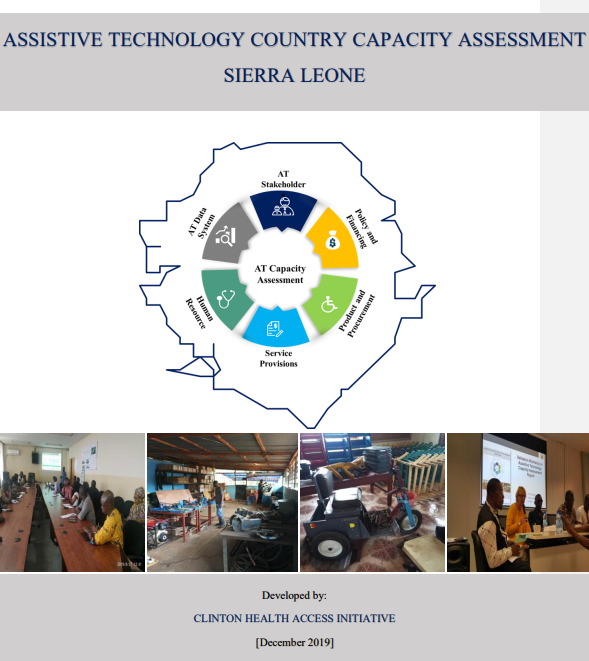
A report outlining the first learnings from the implementation of ATA-C in Sierra Leone
This study was conducted as part of the AT2030 Research Programme, which is funded by the UK Foreign, Commonwealth & Development Office (FCDO) and delivered by the Global Disability Innovation Hub (GDI Hub). It was carried out by a team from the Sierra Leonean Centre of Dialogue on Human Settlement and Poverty Alleviation (CODOHSAPA), the Sierra Leone Federation…
As part of this toolkit, WHO is preparing a series of validated technical support tools appropriate for different aspects of hearing care provision, including planning and monitoring. Strong indicators are an important element to consider when planning effective implementation of ear and hearing care services. This document provides a set of uniform and universally…
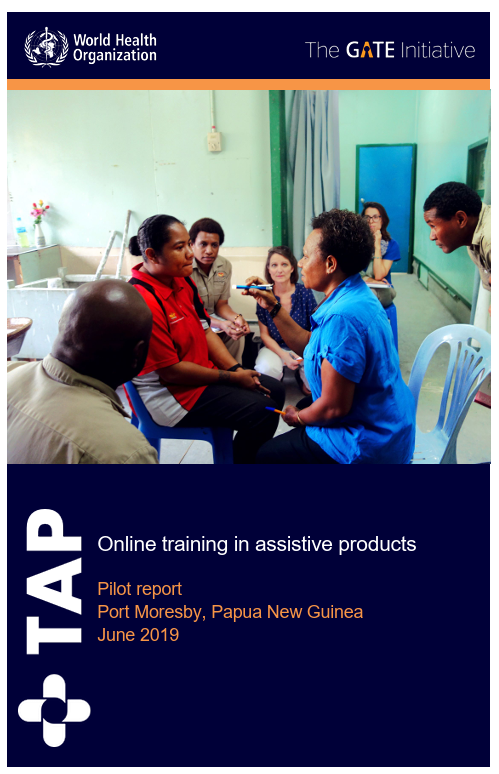
The Papua New Guinea (PNG) pilot was carried out in June 2019, in collaboration with the National Department of Health (NDOH) Health Facilities Standards Branch, National Capital District Community (NCDC) Health Services, Port Moresby General Hospital (PMGH) Eye Clinic and the National Orthotics and Prosthetics Service (NOPS). This report describes the activities and…