To assist countries in strengthening rehabilitation, the World Health Organization (WHO) has developed this guide, the Rehabilitation in health systems: guide for action. This resource leads governments through health system strengthening practices with a focus on rehabilitation. It facilitates leadership and planning for rehabilitation through a situation assessment…
All Resources
Showing 431 - 440 of 488
Results are ordered by date, with most recent published resources shown first.
Use the other filters to customize your search.
Results are ordered by date, with most recent published resources shown first.
Use the other filters to customize your search.

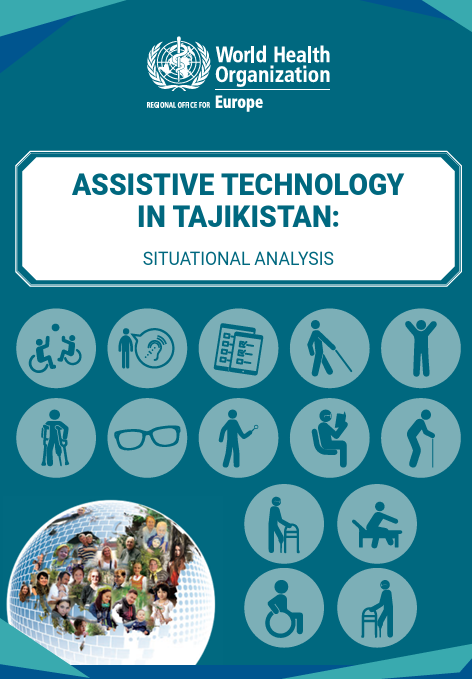
This publication summarizes the current gaps, needs and opportunities for intervention in the field of assistive technology in Tajikistan. The situational analysis was conducted under the leadership of the Ministry of Health and Social Protection, Republic of Tajikistan and with technical support from the WHO Country Office, Tajikistan.
This report presents the results of a rapid assessment of the situation in countries of the Region focusing on five key areas: policy and financing information and research products personnel and service provision. It provides essential baseline information on the provision of assistive products as well as recommendations based on the findings to help countries…
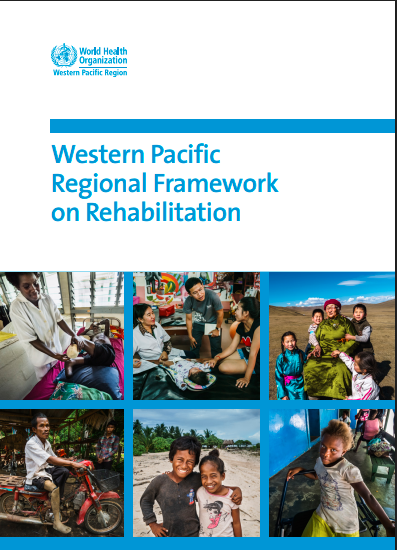
The Western Pacific Regional Framework on Rehabilitation was developed to address the current and growing demand for quality rehabilitation services in the Region. Collaboration through this Framework will help countries understand and strengthen rehabilitation within their own contexts.
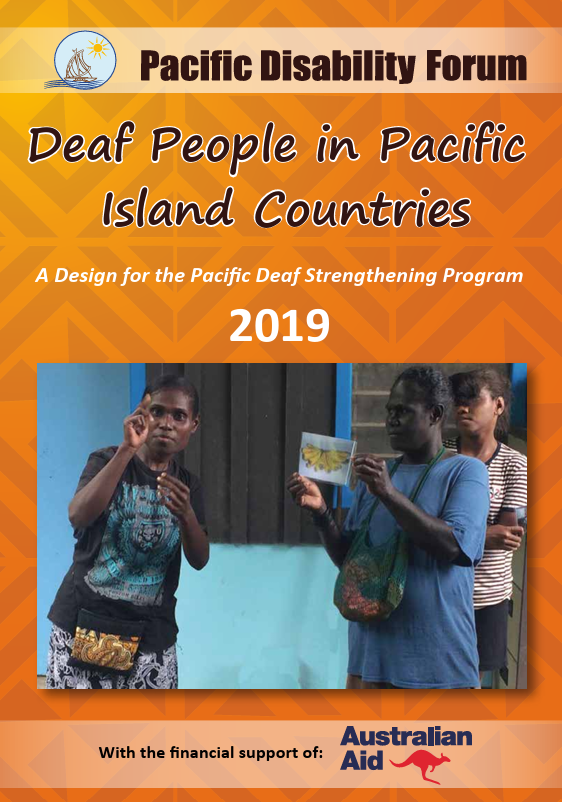
A Design for the Pacific Deaf Strengthening Program
The Inter-Agency Standing Committee (IASC) Task Team on Inclusion of Persons with Disabilities in Humanitarian Action developed these Guidelines through a consultative, participatory and inclusive process. They
reflect the input of more than 600 stakeholders across the disability, humanitarian and development sectors.
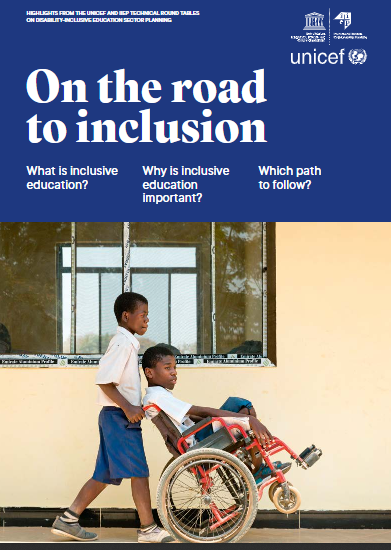
This report aims to highlight the key findings and positive outcomes from IIEP’s research and round table events, co-organized with UNICEF, while pointing to the challenges and bottlenecks that can create barriers to progress. By identifying the lessons learned, remaining gaps, and next steps, this resource intends to help governments strengthen their capacity to…
This document, covering toolbox of practices and program ideas for Banjarmasin, is based on findings from the city-wide disability-inclusive participatory data collection initiated in 2018. Research activities included door-to-door census of persons with disabilities in Banjarmasin, as well as interviews, field observation, and focus group discussions with relevant…
This is the Government of Finland’s initial report to the United Nations Committee on the Rights of Persons with Disabilities on the implementation of the Convention on the Rights of Persons with Disabilities.
Before completing the TRIC, it is essential that users read the STARS guidance in WHO’s Rehabilitation in health systems
guide for action.