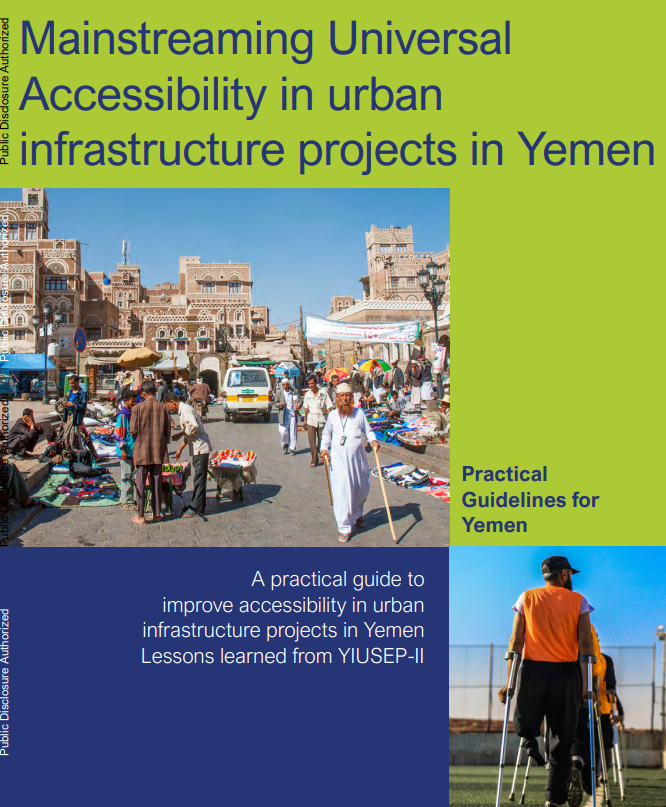
The document aims to improve Universal Accessibility in Yemen's urban infrastructure projects. It provides practical guidelines for mainstreaming accessibility in urban infrastructure projects, considering the country's disability inclusion and accessibility context. The guide targets those involved in construction, rehabilitation, and social inclusion…
All Resources
Showing 171 - 180 of 488
Results are ordered by date, with most recent published resources shown first.
Use the other filters to customize your search.
Results are ordered by date, with most recent published resources shown first.
Use the other filters to customize your search.
This Situational Analysis presents an analysis of the disability inclusion in Fiji, with a specific focus on the extent to which the Convention on the Rights of Persons with Disabilities (CRPD) is implemented, using the UPRPD theory of change as the analysis framework. The Situational Analysis was conducted between April- July 2024 and included multi-stakeholder…
In accordance with UNPRPD Guidelines, the situation analysis intends to:
- Analyse the country’s context in terms of disability inclusion using UNPRPD’s theory of change.
- Identify the critical barriers to implementing CRPD, the inclusive processes set forth by the Sustainable Development Goals (SDGs), and any existing
opportunities to further advance disability…
The data and analyses presented in the report are based on the situational analysis conducted at the country level and were drafted by participating UN agencies, with the support of international and national consultants
This analysis describes the situation of persons with disabilities in the DRC. It examines the normative and institutional arrangements that are dedicated to the inclusion of persons with disabilities and examines their strengths and weaknesses in the context of a forward-looking critique geared towards reform and capacity building. The study expresses the views of…
This Situational Analysis Report on the Rights of Persons with Disabilities in Timor-Leste was developed after the country’s accession to the United Nations (UN) Convention on the Rights of Persons with Disabilities (CRPD) in January 2023.
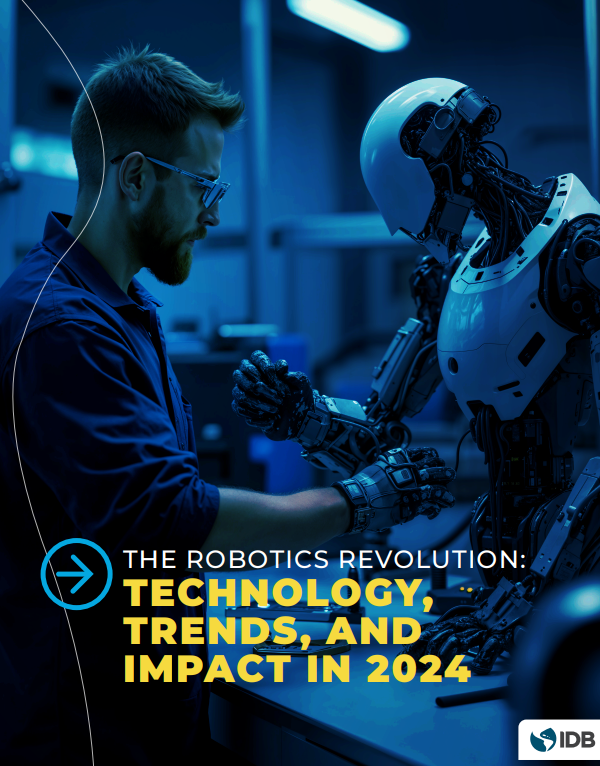
Emerging technologies, such as artificial intelligence (AI), machine learning, advanced sensors, and Internet of Things (IoT) connectivity, are driving advancements that make robots more adaptable, autonomous, and capable of solving increasingly complex challenges.
The report delves into various types of robots, their applications, and the rapid adoption of robotics…
Building digital skills and literacy for persons with disabilities is critical for persons with disabilities to learn, consume digital services, and access jobs. A study was undertaken to leverage these opportunities by identifying gaps in the digital inclusion for persons with disabilities to be addressed through policy and programmatic interventions. Using findings…
The Health equity for persons with disabilities: guide for action (Guide for Action) is a foundational tool to support Member States to implement the recommendations of the Global Report, in line with the Convention on the Rights of Persons with Disabilities. The Guide for Action also supports WHO’s General Programme of Work 14 by reducing health inequities through…
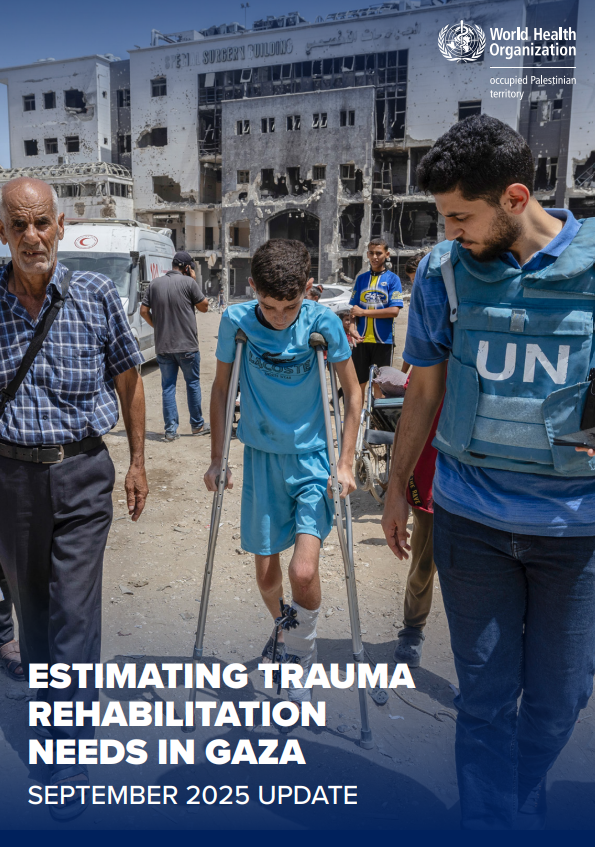
This technical note is an update to the 2024 Gaza injury estimate published by the World Health Organization one year ago. It was developed using the same methodology while drawing on additional data sources to triangulate findings. The report has been expanded to describe the status of rehabilitation services in Gaza, and the challenges in meeting the needs of…