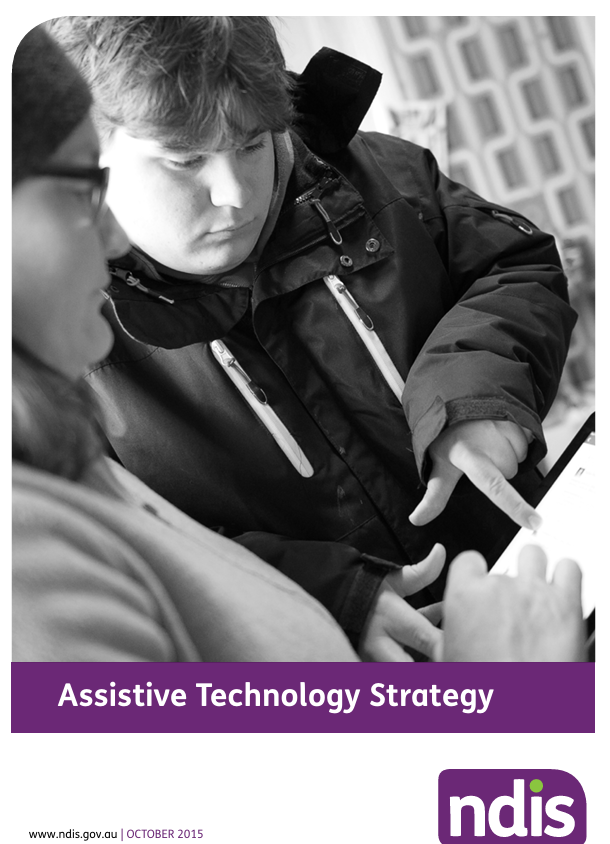
Outlines how the NDIS supports access to AT, including funding, provision, and user choice.
All Resources
Showing 301 - 310 of 488
Results are ordered by date, with most recent published resources shown first.
Use the other filters to customize your search.
Results are ordered by date, with most recent published resources shown first.
Use the other filters to customize your search.
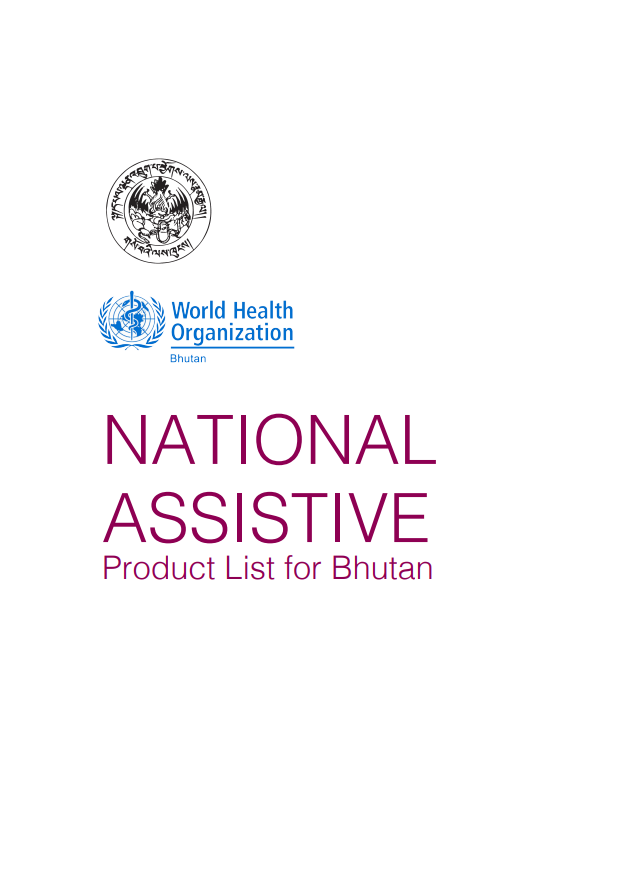
This document presents the national priority list of assistive products for Bhutan. It is designed to be used to guide the provision of assistive products and services in the country.
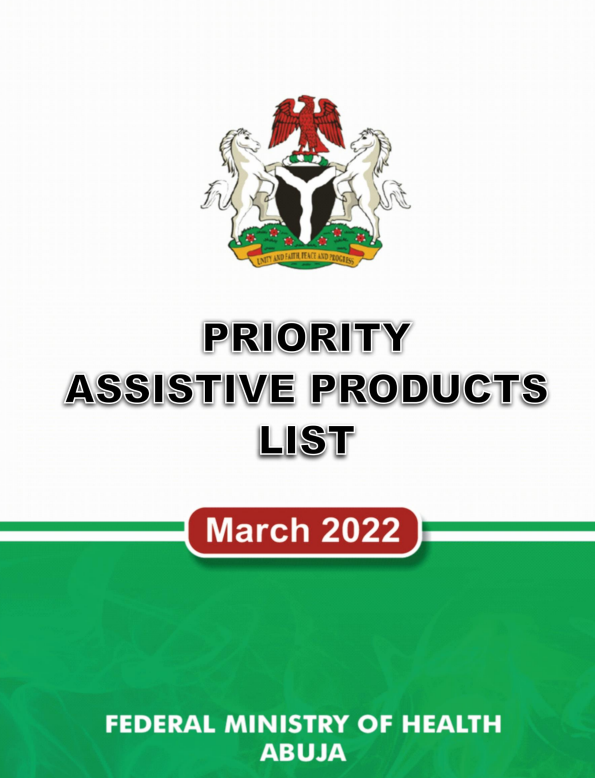
This document presents the national priority list of assistive products for Nigeria. It is designed to be used to guide the provision of assistive products and services in the country. The development of the assistive products list was led by the Federal Ministry of Health and involved extensive consultation with stakeholders, including AT users, medical…
The purpose of the Priority Assistive Products List in Sierra Leone is to help improve access to appropriate, quality Assistive Technology (AT) products at an affordable price that will help enhance the functioning and independence of persons with disabilities, while facilitating their participation and integration in society.
Knowledge packages (KPs) are short, pragmatic guides on individual topics within EdTech, meant to provide sufficient knowledge and understanding so that nontechnical stakeholders can make key planning, design, and procurement decisions for education. This KP is designed to support the target audience with how to design and implement interventions with assistive…
This report from 2022 provides a snapshot of challenges and wishes of 1,035 individuals providing support to AT users who are blind, have low vision, or are deafblind, many of whom have additional disabilities.
Pacific Disability Forum Submission to Australia’s International Disability Equity & Rights Strategy
The WHO Disability-Inclusive Health Services Training Package is a companion to the “WHO Disability-Inclusive Health Services Toolkit: A resource for health facilities in the Western Pacific Region” published by WHO in 2020. This package offers a range of additional training materials including presentations, workbooks and videos that will allow users to develop the…
From March to November 2021, the Zimbabwe UNCT conducted the comprehensive situational analysis. The methodology included a desk review of relevant literature, key informant interviews and focus groups, stakeholder mapping exercises, and consultative workshops with key stakeholders. This brief provides a summary of the key gaps and opportunities presented in the full…
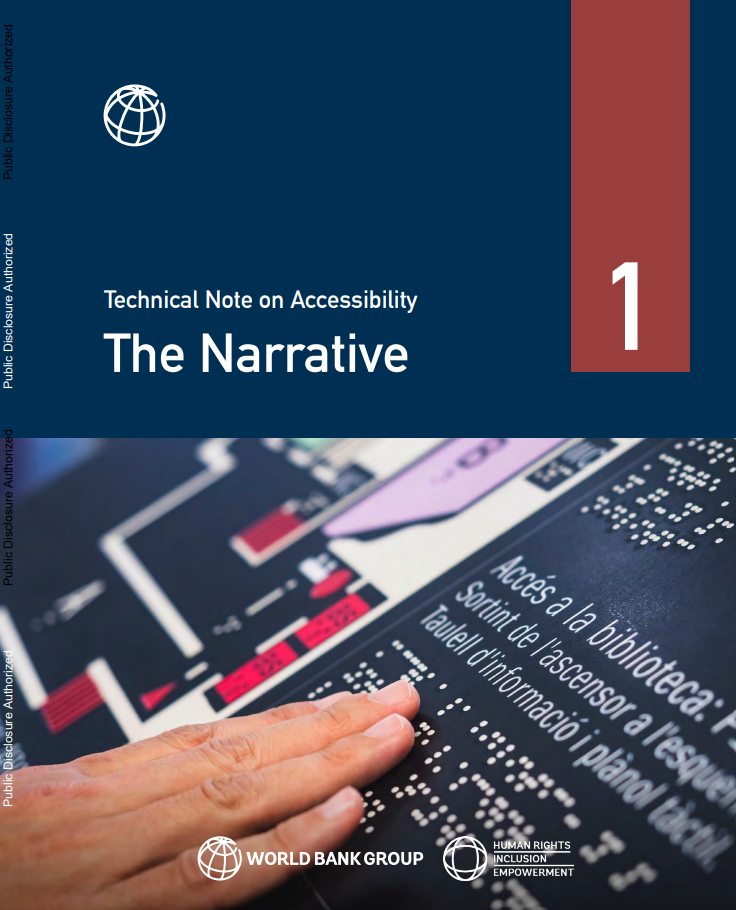
The Technical Note on Accessibility focuses on various dimensions of accessibility, particularly for persons with disabilities, but also for a broader population including children, older persons, and others. The document highlights the importance of accessibility in achieving the World Bank's twin goals of ending extreme poverty and promoting shared prosperity.…
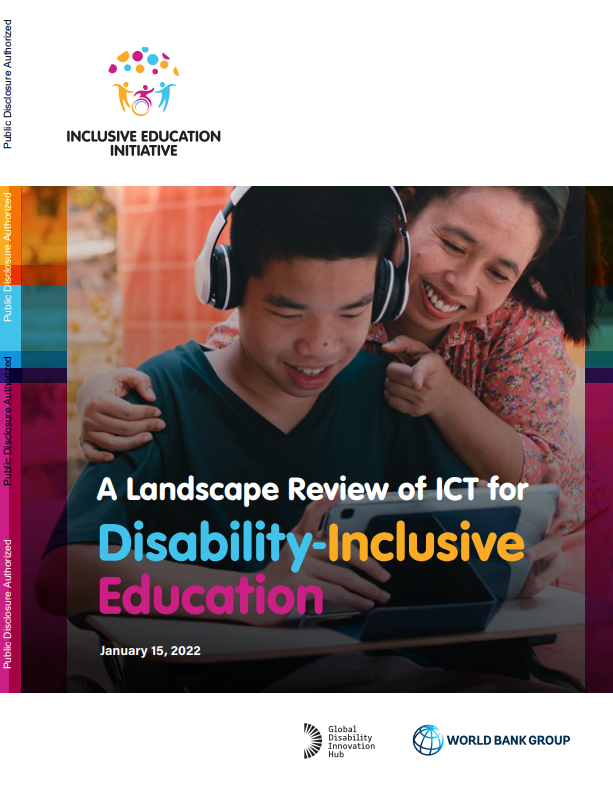
This document is a landscape review of information and communication technology (ICT) for disability-inclusive education. It explores the current status and trends in the practice of educational technology (EdTech) and the use of ICT in improving the educational participation and outcomes of children with disabilities.