In December 2019, the Department of Health (Department) engaged Australian Healthcare Associates (AHA) to undertake a Review of Assistive Technology (AT) programs in Australia. This is the final report for the Review.
All Resources
Showing 411 - 420 of 488
Results are ordered by date, with most recent published resources shown first.
Use the other filters to customize your search.
Results are ordered by date, with most recent published resources shown first.
Use the other filters to customize your search.
This paper was commissioned by the Global Education Monitoring Report as background information to assist in drafting the 2020GEM Report, Inclusion and education.
The African Disability Rights Yearbook aims to advance disability scholarship. Coming in the wake of the United Nations Convention on the Rights of Persons with Disabilities, it is the first peer-reviewed journal to focus exclusively on disability as human rights on the African continent. It provides an annual forum for scholarly analysis on issues pertaining to the…
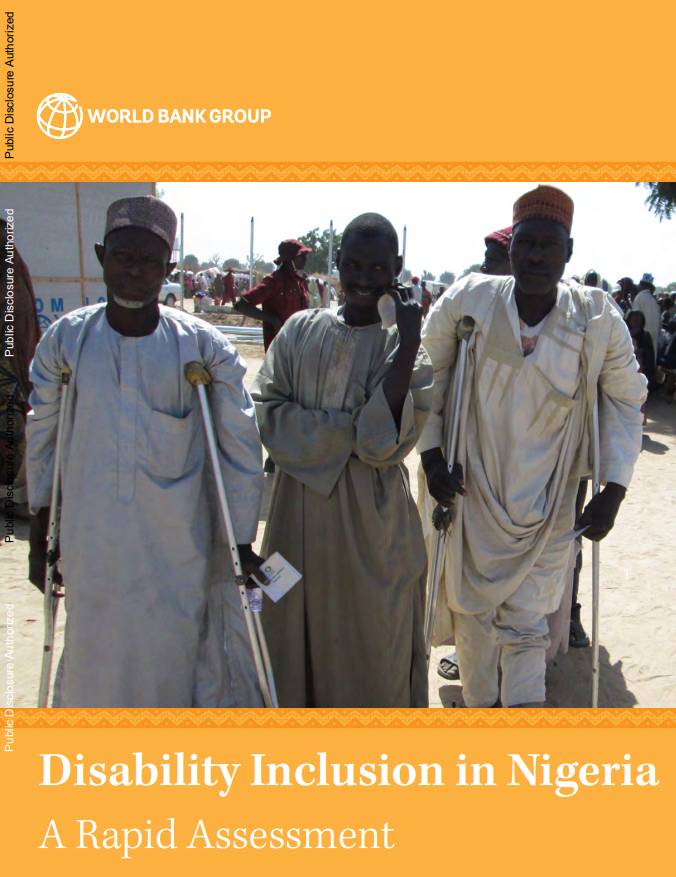
Summarized in this report are the findings regarding the prevalence of disabilities, stigma and discrimination, education, health, community-based rehabilitation, assistive devices and technology, employment and social protection, public information and communications, electoral and political processes, public transportation, legal frameworks, and the institutional…
The objective of this report is to evaluate the clinical effectiveness and costeffectiveness of prosthetics with elevated vacuum suspension systems versus standard
prosthetic systems for adults with amputation. Additionally, evidence-based guidelines regarding the use of elevated vacuum suspension systems were reviewed.
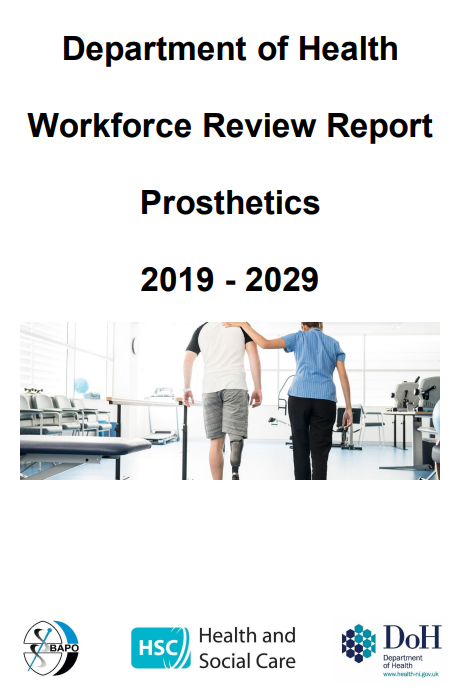
This Workforce Review Report, and the clear recommendations it contains, is the result of a wider Workforce Review Programme covering all thirteen AHPs in Northern Ireland. Since March 2017, Project Groups comprising representatives from across the health and social care service, professional bodies, staff side representatives and the Department of Health, have been…
This guideline for School Eye Health programmes is timely due to its stepwise approach to setting up at national
and sub-national levels. A three-pronged approach guides implementation and includes eye health instructions,
eye health services and a healthy environment. This is achieved by institutionalising activities that maintain eye
health in the learning…
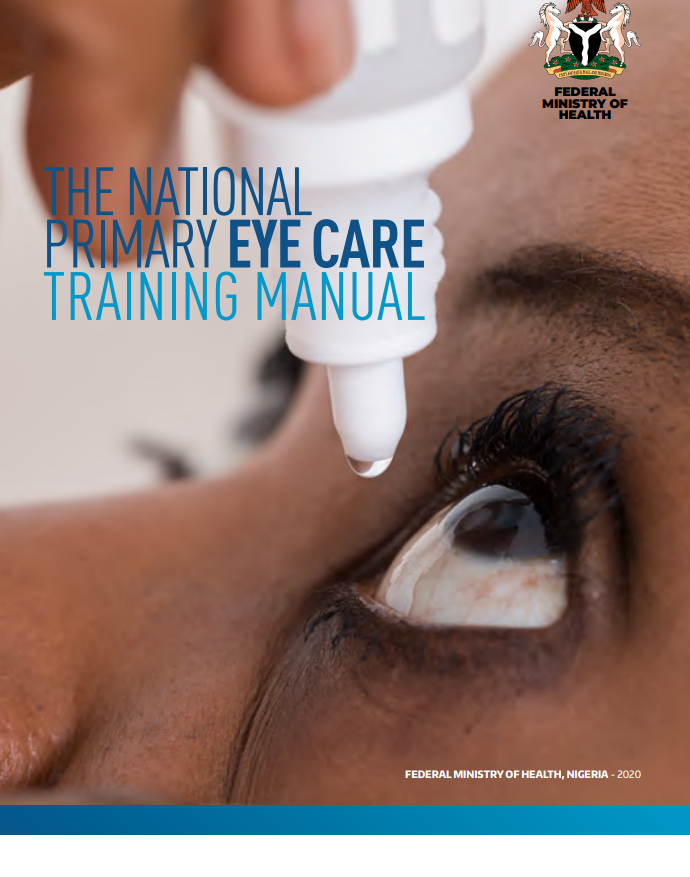
The purpose of this manual is to provide guidance in the design, implementation and evaluation of a course that aims to build and strengthen the capacity of health personnel to manage eye patients at primary-level health facilities in Nigeria. The course falls within the remit of continuous professional development in its broadest sense. Its content focuses on simple…
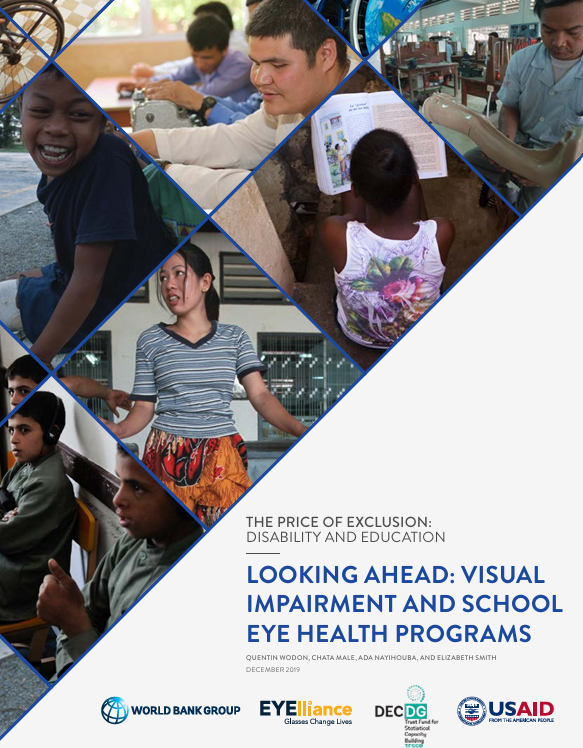
This note is part of a series on The Price of Exclusion: Disability and Education prepared as part of a broader work program on children with disabilities that benefited from funding from USAID and from the Trust Fund for Statistical Capacity Building at the World Bank. The series documents gaps in education outcomes between children with and without disabilities. It…
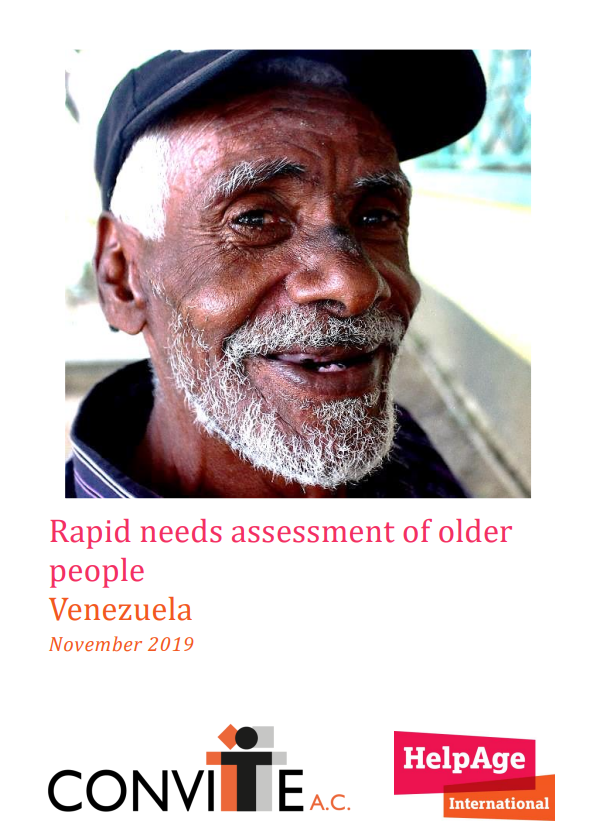
Research carried out across three states in Venezuela has revealed that the majority of older people are unable to access the food and medication they need and are often left to fend for themselves without sufficient funds or resources to obtain the necessary supplies. The data also identifies that 55% of older people with disabilities have access to appropriate…