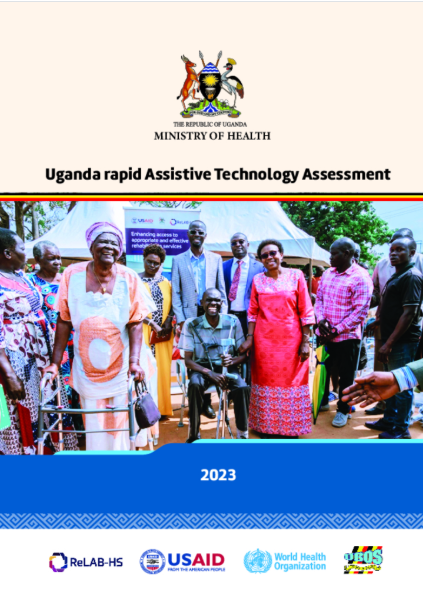
The government is gradually prioritizing rehabilitation and assistive technology services in health system as an essential healthcare service that is integral in the attainment of the universal health coverage goal of leave no one behind and sustainable development Goal 3. The Uganda rapid assistive technology assessment (rATA) report has been developed by the…
All Resources
Showing 221 - 230 of 488
Results are ordered by date, with most recent published resources shown first.
Use the other filters to customize your search.
Results are ordered by date, with most recent published resources shown first.
Use the other filters to customize your search.
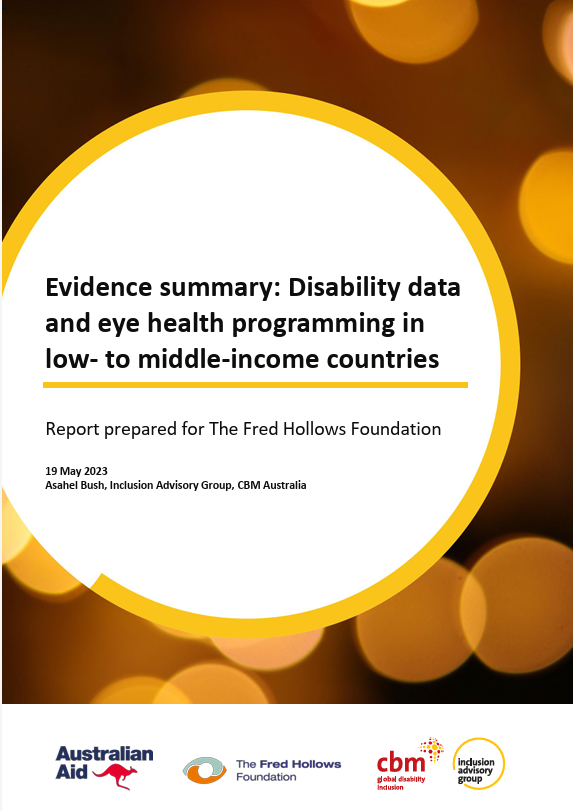
In 2022, the Fred Hollows Foundation (The Foundation) engaged the Inclusion Advisory Group at CBM Global (IAG) to prepare an evidence summary on disability data and eye health. The evidence summary aims to answer the question: What is the evidence on the collection and use of disability data in eye health programming in low and middle-income countries?
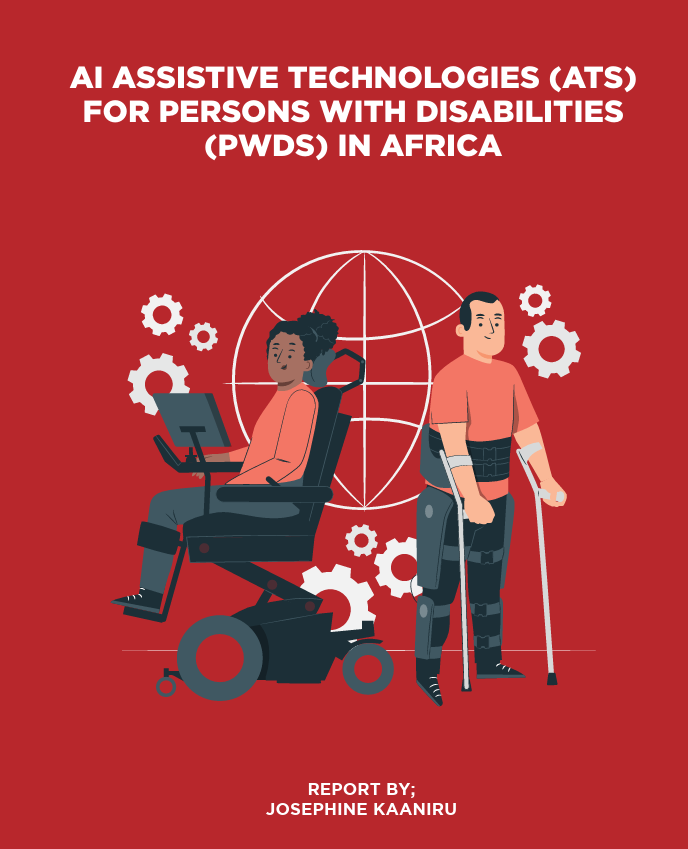
This report maps the various AI Assistive Technologies that improve accessibility for persons with disabilities in Africa and analyses the challenges impeding the development and adoption of these ATs in Africa, including the lack of representative datasets to train AI models, proper policy safeguards, digital skills gaps, and lack of funding for AT projects. Finally…
This article aims to describe the data types and accompanying methods that are commonly-used to estimate disability prevalence in a population. These estimates are often commissioned by policymakers to scale supportive measures, and innovators to describe addressable markets to funders. This article was commissioned by the Royal Society and funded with UK…
The national assistive technology report presents the rATA findings, progress indicator results and provides recommendations based on these outcomes.
This report zooms into technology in disability-inclusive education in the six Southeast Asian countries (Malaysia, Thailand, the Philippines, Lao PDR, Cambodia, and Vietnam), focusing on key policies and legislations and the countries’ continuous efforts striving towards inclusive education through some practices that include skill-based training, online learning,…
This paper was commissioned by the Global Education Monitoring Report as background information for the development of the 2023 GEM Report, Regional Report on technology in education.
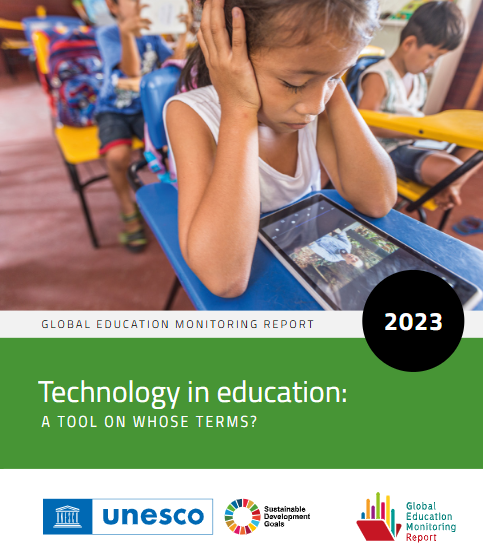
The Education 2030 Incheon Declaration and Framework for Action specifies that the mandate of the Global Education Monitoring Report is to be “the mechanism for monitoring and reporting on SDG 4 and on education in the other SDGs” with the responsibility to “report on the implementation of national and international strategies to help hold all relevant partners to…
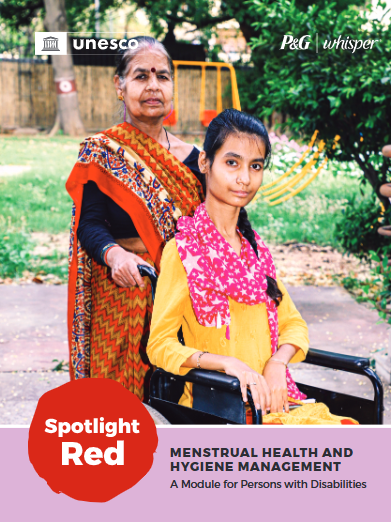
The modules are designed as user-friendly tools to raise awareness and inform students, teachers, parents and the whole community about menstul health and hygiene. These modules include considerations for supporting wheelchair users, and users of other assistive products.
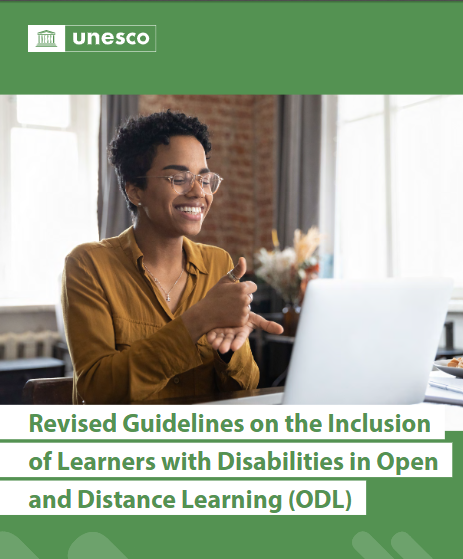
This document emphasizes both policy and the legal obligations of different stakeholders to provide inclusive education to persons with disabilities, with the understanding that reasonable accommodation should be a ‘pre-existing’ obligation.