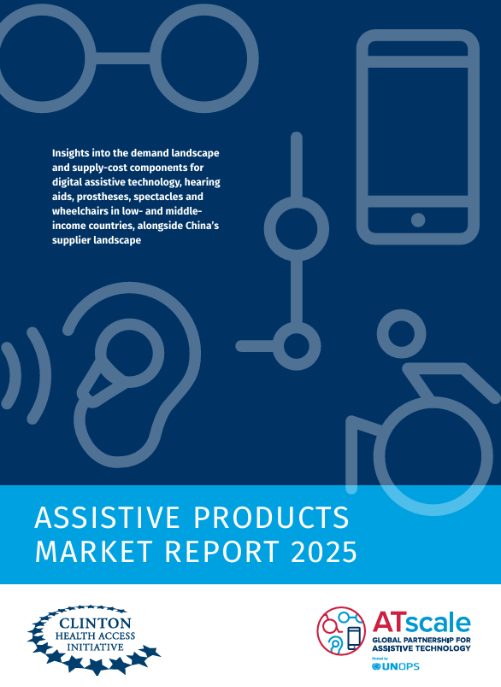
The Assistive Products Market Report 2025 provides an in-depth analysis of the demand landscape and supply chain costs within the assistive products sector.
It details the significant market gaps, particularly in LMICs, where 65% to 95% of those needing products, such as wheelchairs, spectacles, hearing aids and prostheses, remain without access.
The report…
All Resources
Showing 81 - 90 of 488
Results are ordered by date, with most recent published resources shown first.
Use the other filters to customize your search.
Results are ordered by date, with most recent published resources shown first.
Use the other filters to customize your search.
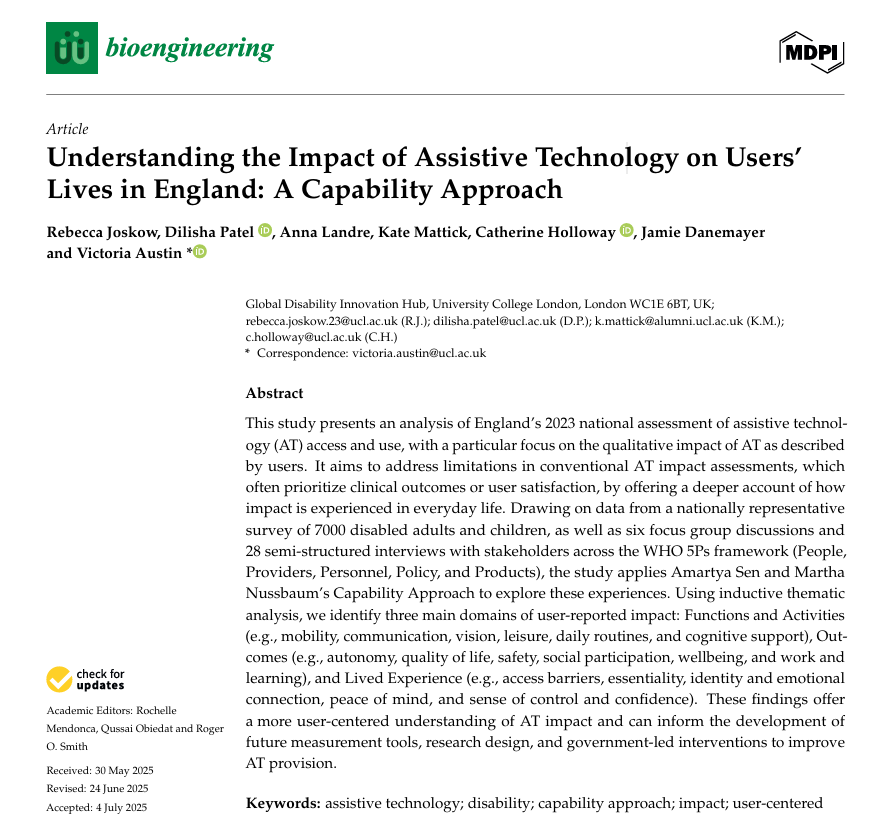
This report explores the real-life impact of assistive technology (AT) in England, drawing on findings from a 2023 Country Capacity Assessment conducted by GDI Hub and the UK Disability Unit using the WHO’s ATA toolkit. It revealed the personal significance of AT in shaping identity and confidence, while identifying systemic barriers that limit access and…
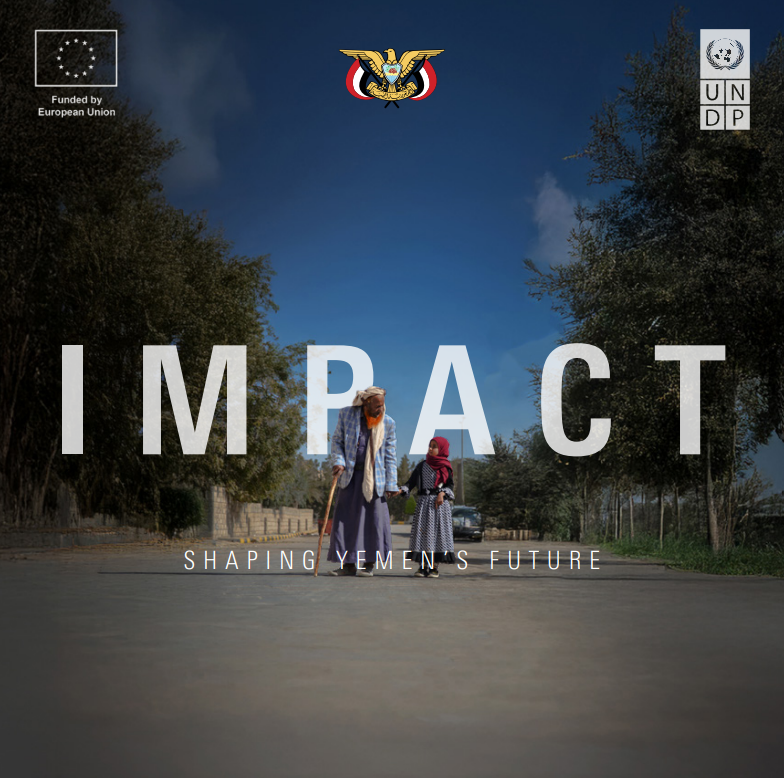
The Strengthening Institutional and Economic Resilience in Yemen (SIERY) Project, funded by the European Union, is one approach that seeks to change this, by including diverse populations- including people with disabilities- from the outset, by design
This report evaluates Georgia’s assistive technology market, focusing on wheelchairs, hearing aids and prosthetics/ orthotics. It examines key factors such as demand, supply, affordability, quality and regulatory alignment, as well as supporting Government efforts to improve access to assistive technology.
This guide for implementation supports stakeholders in conducting a comprehensive mapping of community-based care and support (CBCS) services for people with disabilities and older adults with care needs. It provides guidance on how to identify and analyse CBCS services, professional roles associated with their delivery, and pathways that facilitate the development…
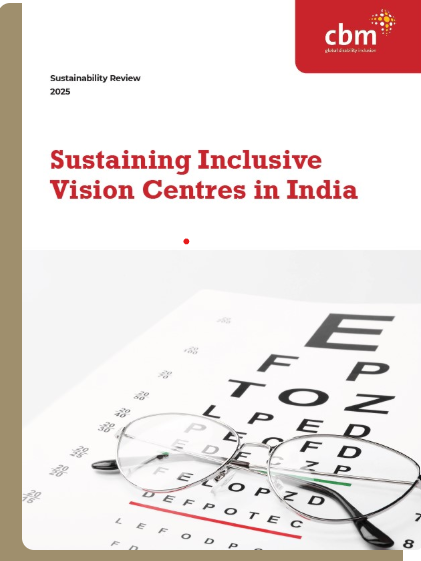
The document explores the success and sustainability of the Inclusive Vision Centres (IVCs) project in India. Funded by CBM UK, the project supported Dr. Shroff’s Charity Eye Hospital to transition from its traditional eye camps to provide accessible and affordable eye care at the community level. The review highlights the project’s emphasis on community engagement,…
Working paper urging Pacific heads of health to expand AT access as key to disability-inclusive public health.
Suggestions for implementing assistive technology for education and learning
Policy brief advocating for rehabilitation and assistive technology as a critical mechanism to address noncommunicable diseases.
This technical Guidance provides insights into the design and development of assistive technology devices (ATDs) for persons affected by leprosy within country-specific contexts. The rationale behind the development of the Technical Guidance involves addressing the growing demand for accessing ATDs by individuals affected with impairments caused by leprosy, thereby…